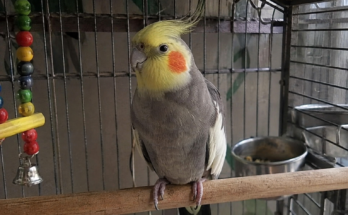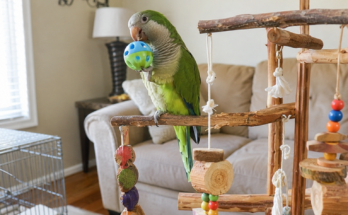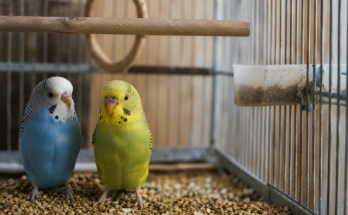
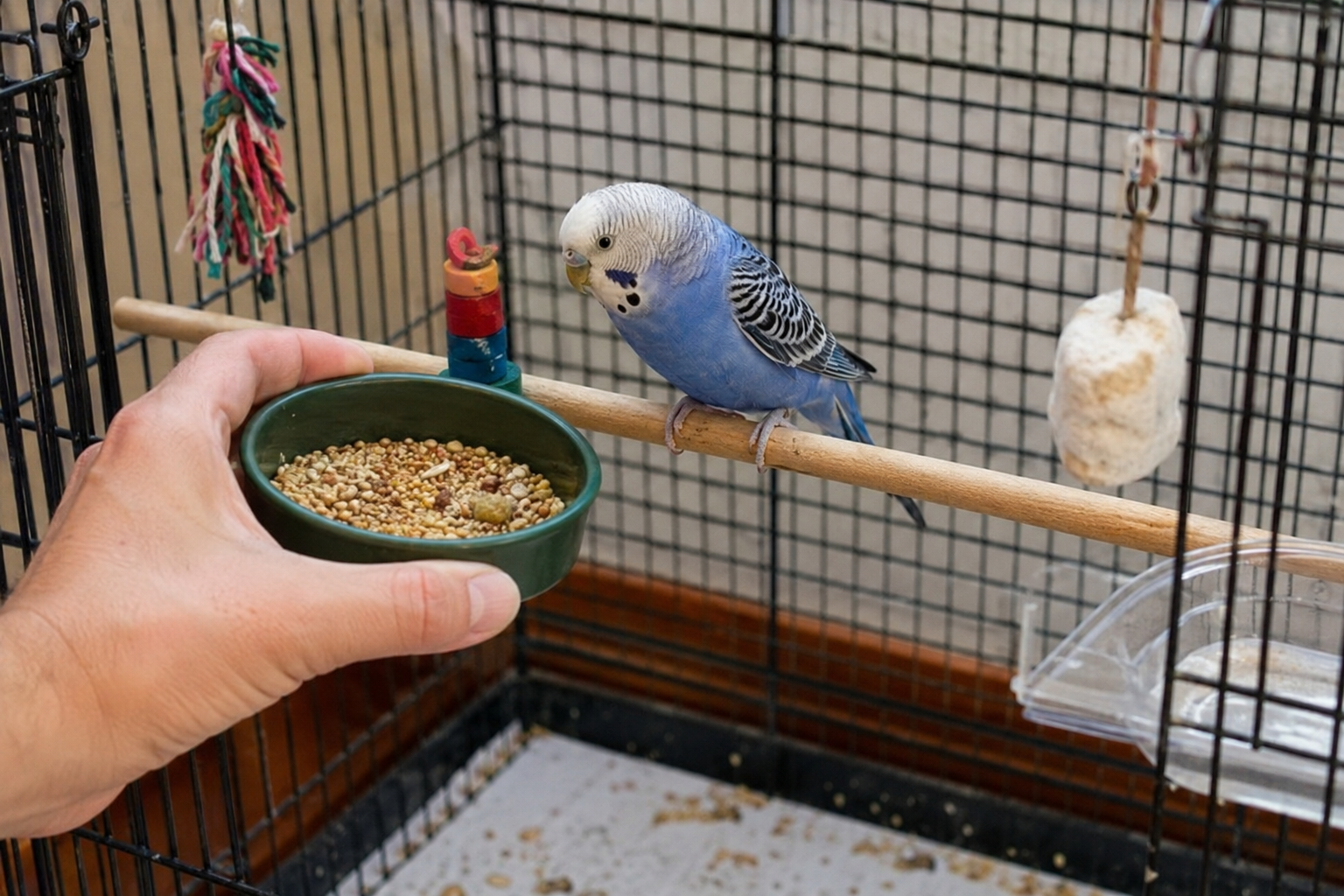
If you want your pet bird to stay happy, active, and healthy, following a daily bird care routine is one of the most important things you can do. Birds are intelligent animals that need proper food, clean water, mental stimulation, exercise, and regular interaction every single day. A small daily effort can prevent many health problems and help your feathered friend live a longer and happier life.
Whether you have a budgie, cockatiel, lovebird, parrot, canary, or finch, creating a simple routine makes bird care easier for both you and your pet. Birds feel safe when they know what to expect each day. A consistent schedule also helps you notice any changes in their behavior, eating habits, or health.
In this guide, you will learn a complete daily bird care routine that every bird owner can easily follow.
Why a Daily Bird Care Routine Is Important
Birds depend on their owners for everything. In the wild, they spend their day searching for food, flying, grooming, and socializing. Pet birds cannot do these things on their own, so it is our responsibility to provide a healthy environment.
A proper daily routine helps your bird enjoy several benefits.
It keeps the cage clean.
It provides balanced nutrition.
It encourages physical activity.
It reduces stress and boredom.
It prevents many common illnesses.
It strengthens the bond between you and your bird.
Healthy birds are usually more playful, vocal, and energetic than birds that lack proper daily care.
Start the Morning with Fresh Water
Fresh drinking water should always be the first thing you check every morning.
Birds drink water several times throughout the day. Dirty water can quickly become contaminated with food, feathers, or droppings. Replace the old water with clean, fresh water every morning.
Wash the water bowl before refilling it. If your bird likes to bathe in the water dish, replace the water again later in the day.
Clean water is one of the simplest ways to keep your pet bird healthy.
Provide a Healthy Breakfast
Nutrition is a major part of every daily bird care routine.
Many people think seeds are enough, but birds need much more than that. A healthy diet should include quality pellets, fresh vegetables, fruits, and a limited amount of seeds.
Good vegetables include spinach, carrots, broccoli, peas, bell peppers, and cucumber.
Safe fruits include apples without seeds, bananas, grapes, blueberries, mangoes, and strawberries.
Offer fresh food in the morning and remove leftovers after a few hours to prevent spoilage.
Always avoid chocolate, avocado, onions, garlic, caffeine, alcohol, and salty foods because they can be harmful or even deadly to birds.
Observe Your Bird’s Behavior
Spend a few minutes watching your bird every morning.
Healthy birds usually look alert and active. They eat well, move around the cage, and show interest in their surroundings.
If your bird suddenly becomes quiet, refuses food, keeps its feathers puffed up all day, or sits at the bottom of the cage, these could be signs of illness.
Birds naturally hide sickness, so noticing small changes early can make a big difference.
Daily observation is one of the best habits every bird owner should develop.
Clean Food and Water Bowls
Food bowls collect bacteria very quickly.
Wash all bowls with warm water every day. Remove leftover food before adding fresh meals.
Avoid using strong chemical cleaners because birds have sensitive respiratory systems. Rinse everything thoroughly before placing the bowls back inside the cage.
Clean feeding dishes help reduce the risk of bacterial infections.
Remove Waste from the Cage
A clean cage is essential for healthy pet birds.
Remove droppings, food scraps, and feathers every day. Change the cage liner whenever it becomes dirty.
Spot cleaning only takes a few minutes but keeps the cage fresh and comfortable.
A dirty cage attracts bacteria, mold, and insects that can affect your bird’s health.
Weekly deep cleaning is also important, but daily maintenance keeps the environment much safer.
Give Your Bird Time Outside the Cage
Exercise is just as important for birds as it is for people.
If your bird is tame and your room is bird safe, allow it to spend time outside the cage every day.
Flying strengthens muscles, improves heart health, and prevents obesity.
Before letting your bird out, close windows and doors, switch off ceiling fans, cover mirrors if necessary, and remove dangerous objects.
Supervise your bird during the entire play session.
Even twenty to sixty minutes of safe exercise each day can greatly improve your bird’s physical and mental health.
Encourage Mental Stimulation
Birds are extremely intelligent animals.
Without enough mental stimulation, they can become bored and develop unwanted behaviors such as feather plucking or excessive screaming.
Provide toys that encourage climbing, chewing, swinging, and problem solving.
Rotate toys every week so they remain interesting.
You can also hide small treats inside bird safe foraging toys to encourage natural searching behavior.
Talking, singing, and teaching simple tricks also provide excellent mental exercise.
Spend Quality Time Together
Pet birds are social animals.
Many species enjoy spending time with their owners every day.
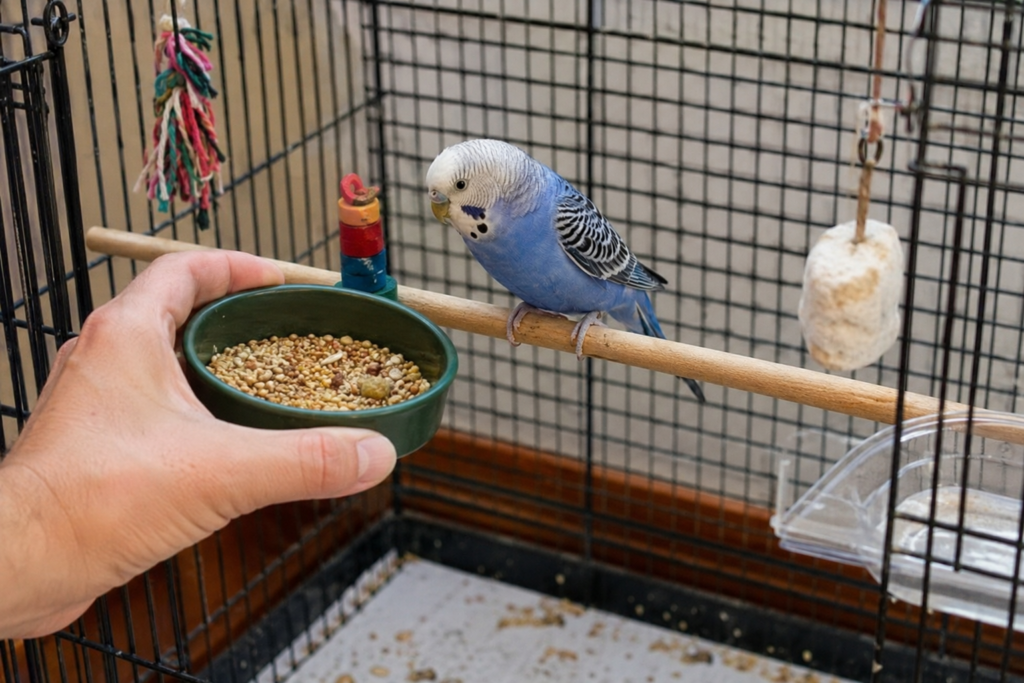
Talk softly to your bird while cleaning the cage or preparing food. Offer treats by hand if your bird is comfortable with you.
Gentle interaction helps build trust and reduces loneliness.
Some parrots especially need several hours of social interaction each day to stay emotionally healthy.
The stronger your relationship becomes, the happier your bird will be.
Check Feathers, Beak, and Nails
Daily health checks only take a few moments.
Look at your bird’s feathers to make sure they appear smooth and clean.
Check the eyes for brightness and cleanliness.
Look at the beak for cracks or unusual growth.
Observe the nails to make sure they are not becoming too long.
If you notice bleeding, swelling, discharge, or injuries, contact an avian veterinarian as soon as possible.
Regular observation allows you to detect problems before they become serious.
Offer Bathing Opportunities
Most birds enjoy bathing.
Some prefer a shallow dish of water while others like being lightly misted with clean water.
Bathing helps remove dust, supports healthy feathers, and keeps the skin in good condition.
Do not force your bird to bathe if it is not interested.
Allow your bird to choose when it feels comfortable.
After bathing, keep the room warm until the feathers are completely dry.
Maintain a Comfortable Environment
Your bird’s surroundings have a major impact on its health.
Place the cage in a bright room with natural daylight but avoid direct sunlight for long periods.
Keep the cage away from kitchens because cooking fumes can be dangerous.
Avoid cigarette smoke, scented candles, aerosol sprays, and strong perfumes near birds.
Maintain a comfortable temperature and avoid sudden changes.
A calm, safe environment helps reduce stress and supports good health.
Follow an Evening Routine
Evening care is just as important as morning care.
Replace drinking water if necessary.
Remove any spoiled fresh food.
Spend a little quiet time with your bird before bedtime.
Cover the cage only if your bird is comfortable with it and your environment requires it.
Most pet birds need around ten to twelve hours of uninterrupted sleep every night.
Good sleep supports a healthy immune system, better mood, and higher energy levels.
Daily Bird Care Checklist
Following this simple checklist makes daily care much easier.
Provide fresh drinking water.
Serve healthy food.
Remove leftover fresh food.
Clean bowls.
Spot clean the cage.
Observe your bird’s health.
Allow exercise outside the cage.
Provide toys and enrichment.
Spend quality time together.
Check feathers, eyes, beak, and nails.
Offer a bath when appropriate.
Ensure a quiet and comfortable bedtime.
Following these simple steps every day creates a healthy lifestyle for your feathered companion.
Common Mistakes to Avoid
Many new bird owners unknowingly make mistakes that affect their bird’s health.
Feeding only seeds is one of the biggest mistakes because birds need a balanced diet.
Ignoring cage cleanliness can lead to bacterial growth.
Keeping birds alone without social interaction may cause stress and behavioral problems.
Using unsafe household products around birds can expose them to harmful fumes.
Skipping daily observation may delay the discovery of health problems.
Avoiding these mistakes makes bird ownership much easier and safer.
Conclusion
A consistent daily bird care routine is the secret to raising healthy, happy pet birds. Fresh food, clean water, regular cage cleaning, exercise, mental stimulation, and quality time all work together to improve your bird’s physical and emotional well being.
Birds thrive when they receive love, attention, and proper daily care. By following this simple routine every day, you will build a stronger bond with your feathered companion while helping it enjoy a long, active, and healthy life.
No matter what type of pet bird you own, making daily care a habit is one of the greatest gifts you can give your feathered friend.