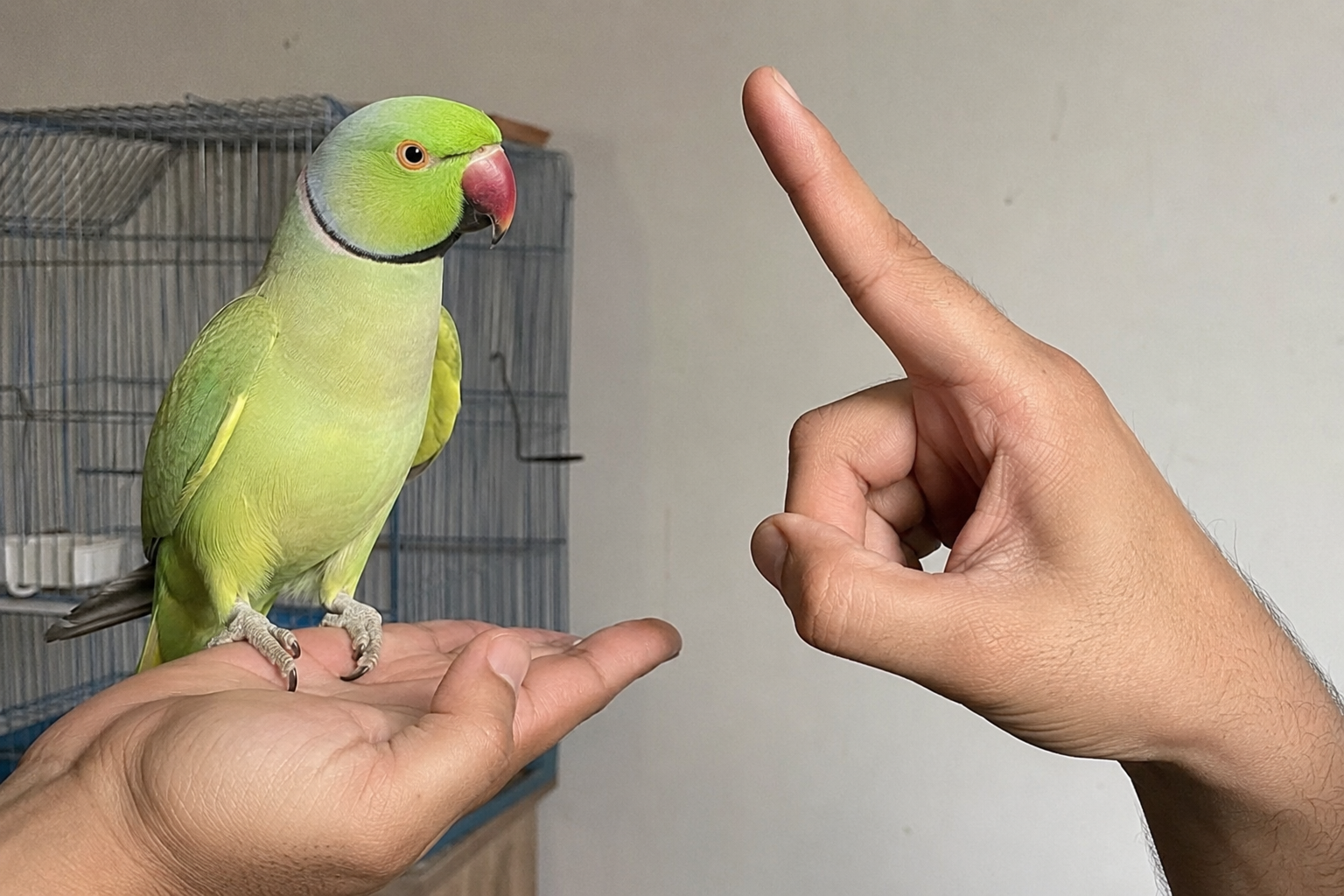
Training your pet bird is one of the best ways to build a strong relationship with your feathered friend. Many people think birds cannot be trained, but the truth is that most pet birds are intelligent and enjoy learning new things. Whether you own a budgie, cockatiel, lovebird, African Grey, conure, or canary, proper training helps your bird become happier, more confident, and easier to handle.
This guide will teach you how to train your pet bird using simple, positive methods that are safe and effective. Even if you are a first time bird owner, you can start training your bird today with patience and consistency.
Why Bird Training Is Important
Many people only focus on feeding and cleaning their bird’s cage, but training is just as important. Birds are intelligent animals that need mental stimulation every day. Training keeps their minds active and reduces boredom.
A well trained bird is usually easier to handle and less likely to develop unwanted behaviors such as biting, screaming, or feather plucking. Training also helps your bird trust you, making everyday care much easier.
When your bird enjoys interacting with you, it becomes more social and confident in its environment.
Understand Your Bird Before Training
Before starting any training session, spend time observing your bird. Every bird has a different personality. Some birds are naturally curious, while others may be shy or nervous around people.
Allow your bird to get comfortable with your presence. Sit near the cage and speak softly every day. Avoid making sudden movements or loud noises that may frighten your bird.
Training should only begin after your bird feels relaxed around you.
Build Trust First
Trust is the foundation of successful bird training.
Never force your bird to come out of the cage or grab it with your hands unless absolutely necessary. Forced handling can damage your relationship and make training much harder.
Instead, spend a few minutes talking gently to your bird several times each day. Offer healthy treats through the cage bars until your bird confidently accepts food from your hand.
Once your bird feels safe, it will be much more willing to learn.
Choose the Right Rewards
Positive reinforcement is the best way to train any pet bird.
Whenever your bird performs the correct behavior, immediately reward it with praise, a favorite treat, or gentle attention.
Some popular bird treats include fresh millet, sunflower seeds in moderation, tiny fruit pieces, or favorite vegetables.
The reward should be something your bird truly enjoys. This motivates your bird to repeat the desired behavior.
Pick the Best Time for Training
Timing plays an important role in successful bird training.
Choose a quiet time when your bird is awake, alert, and not distracted. Avoid training immediately after meals or late in the evening when your bird is tired.
Most birds learn best during short sessions.
Ten to fifteen minutes is usually enough for one training session. Multiple short sessions each day work much better than one long session.
Teach the Step Up Command
The first command every bird should learn is the step up command.
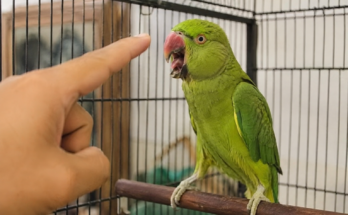
Place your finger or a small perch gently against your bird’s lower chest while calmly saying “Step Up.”
Most birds naturally step onto the perch for balance.
As soon as your bird steps up, immediately reward it with praise and a treat.
Repeat this exercise daily until your bird confidently steps onto your hand whenever asked.
The step up command makes handling your bird much easier and forms the basis for many advanced tricks.
Train Your Bird to Come to You
Once your bird has mastered the step up command, you can begin recall training.
Place your bird on a nearby perch and gently call its name while holding out your hand.
Encourage your bird to come toward you using a favorite treat.
Reward every successful attempt immediately.
Gradually increase the distance over several days.
Recall training helps improve your bird’s confidence while also providing important safety if your bird accidentally flies indoors.
Teach Simple Tricks
Birds enjoy learning fun tricks that keep them mentally active.
After mastering basic commands, you can teach simple behaviors such as:
Wave
Turn around
Fetch a small toy
Ring a bell
Pick up objects
Place items into a small basket
Break each trick into small steps and reward every success.
Never rush the learning process.
Birds learn faster when training remains enjoyable.
Use Positive Reinforcement Only
One of the biggest mistakes bird owners make is punishing unwanted behavior.
Never yell at your bird.
Never hit the cage.
Never spray water as punishment.
Never force your bird to perform.
Punishment creates fear and weakens trust.
Instead, ignore unwanted behavior whenever possible and reward good behavior consistently.
Birds repeat behaviors that receive positive attention.
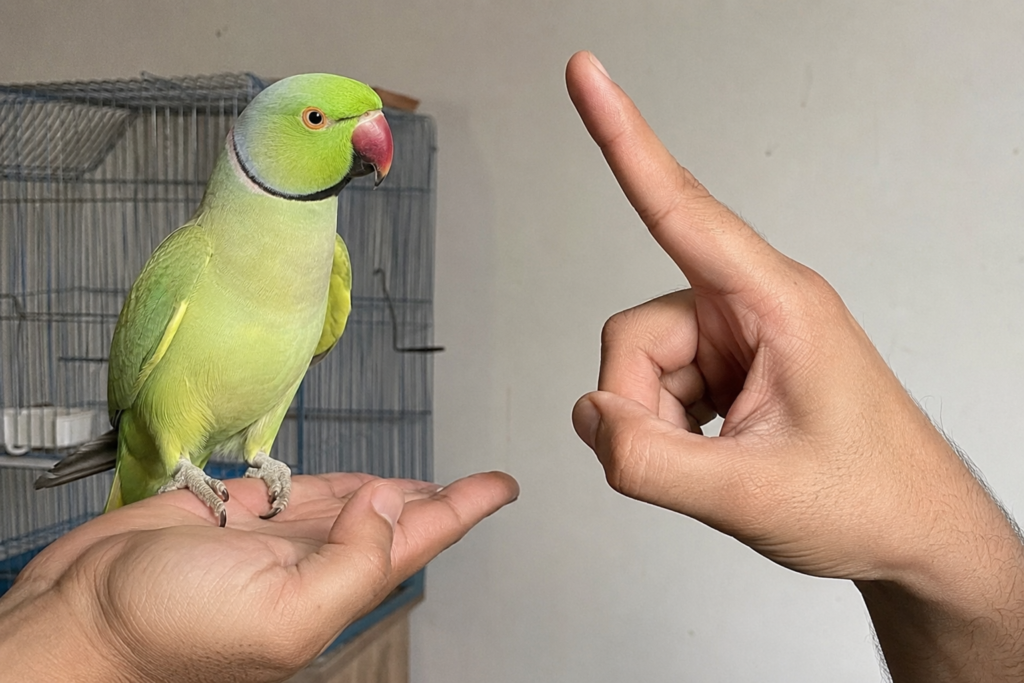
Be Patient During Training
Every bird learns at its own pace.
Some birds understand new commands within a few days, while others may need several weeks.
Do not compare your bird with videos on social media.
The goal is steady progress, not perfection.
Celebrate small improvements and remain patient throughout the learning process.
Consistency always produces better results than rushing.
Avoid Common Training Mistakes
Many training problems happen because owners unknowingly make simple mistakes.
Avoid these common errors.
Training for too long.
Changing commands every day.
Rewarding bad behavior.
Using punishment.
Expecting immediate results.
Skipping training sessions.
Being inconsistent with rewards.
Correcting these mistakes often leads to much faster progress.
Socialize Your Bird
Training is not only about commands.
Socialization helps your bird become comfortable around different people and environments.
Allow trusted family members to interact gently with your bird.
Introduce new toys, perches, and safe experiences gradually.
A well socialized bird is usually more confident and less fearful.
Create a Safe Training Area
Always train your bird in a secure room.
Close all doors and windows before allowing flight training.
Turn off ceiling fans.
Cover mirrors if necessary.
Remove toxic plants.
Keep other pets away during training sessions.
A safe environment helps your bird focus while preventing accidents.
Understand Bird Body Language
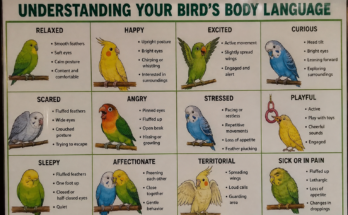
Reading your bird’s body language improves training success.
Signs your bird is comfortable include relaxed feathers, soft chirping, curiosity, and willingness to accept treats.
Signs of stress include rapid breathing, aggressive biting, fluffed feathers for long periods, lunging, or trying to escape.
If your bird appears stressed, end the training session and try again later.
Training should always be a positive experience.
Keep Training Fun
Birds enjoy variety.
Use different toys, treats, and activities to prevent boredom.
You can combine training with playtime so your bird stays excited about learning.
Always finish each session with a successful command and plenty of praise.
This helps your bird look forward to the next lesson.
Can Older Birds Learn New Tricks
Yes.
Many people believe only young birds can be trained, but older birds are also capable of learning.
Older birds may require a little more patience because they already have established habits.
With consistency, positive reinforcement, and regular practice, birds of almost any age can learn new behaviors.
How Long Does Bird Training Take
There is no fixed timeline.
Some birds learn basic commands within one week.
Others may take several weeks before they become comfortable.
The most important factor is consistency.
Practicing every day for a few minutes usually produces much better results than occasional long sessions.
Remember that building trust is more important than teaching tricks.
Benefits of Training Your Pet Bird
Regular training offers many long term benefits.
It strengthens the bond between you and your bird.
It improves communication.
It provides mental stimulation.
It reduces boredom.
It helps prevent behavior problems.
It increases your bird’s confidence.
It makes handling easier during grooming and veterinary visits.
A trained bird is generally happier and more relaxed in its home.
Conclusion
Learning how to train your pet bird is one of the most rewarding parts of bird ownership. Training does not require expensive equipment or professional experience. All it takes is patience, kindness, consistency, and positive reinforcement.
Start with simple commands like step up, reward every success, and keep sessions short and enjoyable. As your bird gains confidence, you can teach more advanced tricks while building a lifelong bond based on trust.
Every bird learns at its own pace, so stay patient and celebrate every small achievement. With regular practice and plenty of encouragement, your pet bird will become a happier, healthier, and more confident companion.