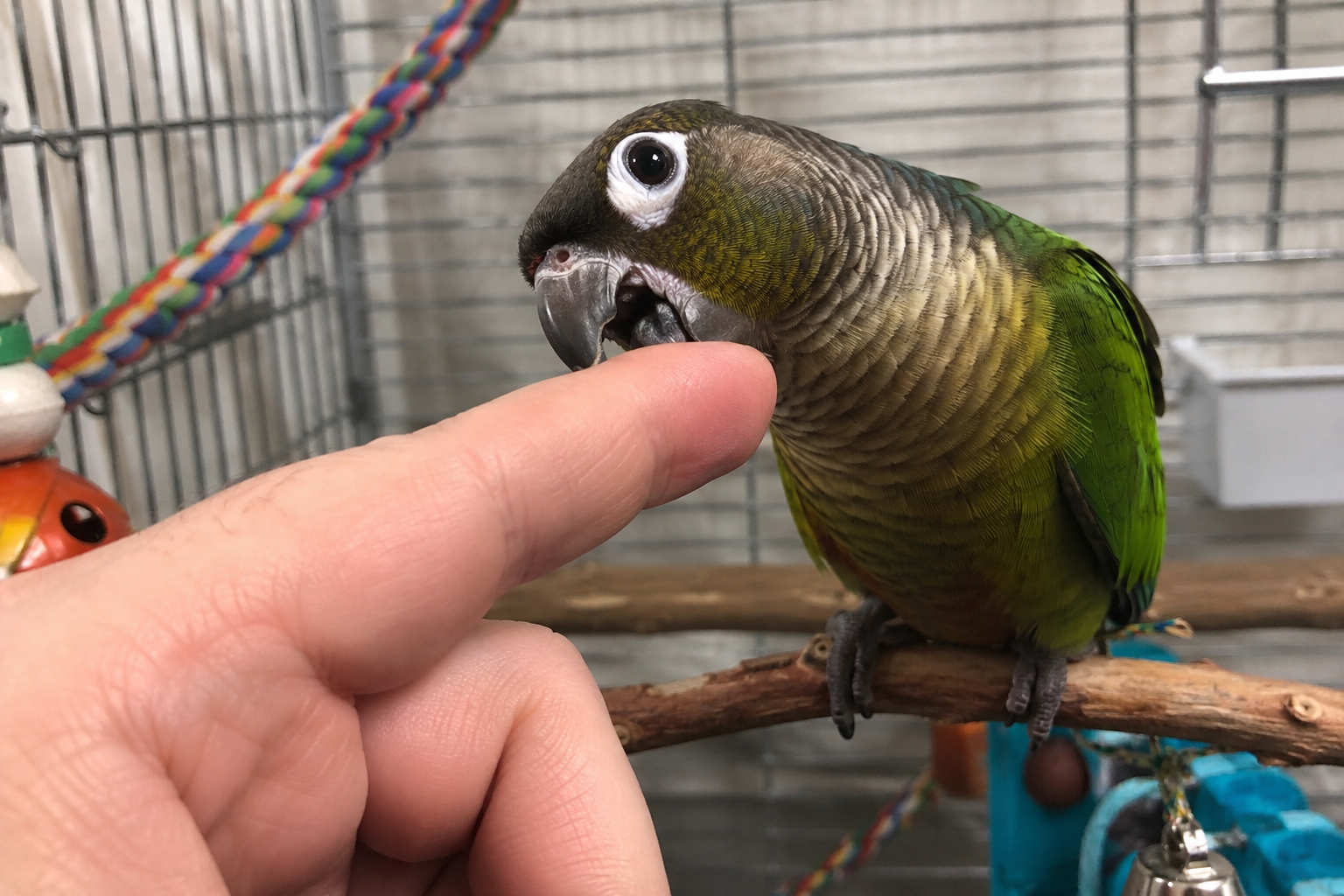
If you own a pet bird, you have probably experienced a painful bite at least once. Many new bird owners often wonder, why do pet birds bite even when they are fed well and cared for every day. The truth is that biting is a natural behavior for birds. They do not bite because they are mean or because they dislike their owners. In most cases, a bite is simply a way for a bird to communicate.
Understanding the real reason behind biting is the first step toward building a stronger relationship with your feathered friend. Once you learn what your bird is trying to tell you, it becomes much easier to reduce biting and gain its trust.
In this guide, we will explain why pet birds bite, what triggers this behavior, and how you can prevent it without harming your bird or damaging your bond.
Why Do Pet Birds Bite?
The most common answer to the question why do pet birds bite is communication. Birds cannot speak like humans, so they use body language, sounds, and sometimes biting to express their feelings.
A bite can mean many different things. Your bird may be scared, stressed, excited, protective, tired, or simply asking to be left alone. Every bite has a reason, and learning to identify that reason will help you respond correctly.
Instead of punishing your bird, try to understand what happened just before the bite. The situation usually provides important clues.
Fear Is One of the Biggest Reasons
Fear is one of the leading causes of biting in pet birds.
Imagine someone much larger than you suddenly reaching toward your face. You would probably react defensively. Birds often feel the same way.
Your bird may become frightened by:
New people
Sudden movements
Loud noises
Unknown objects
Fast hand movements
Changes in its environment
When a bird feels trapped with no escape, biting becomes its way of protecting itself.
The best solution is to move slowly, speak softly, and allow your bird to approach you on its own terms.
Your Bird Does Not Trust You Yet
Trust takes time to build.
Many first time bird owners expect instant affection, but birds need patience. If you recently brought your bird home, it may still see you as a stranger.
Trying to force handling too soon often leads to biting.
Spend time sitting near the cage, talking calmly, and offering treats by hand. As trust grows, biting usually becomes less frequent.
Birds Bite to Protect Their Territory
Birds naturally defend what they believe belongs to them.
Their territory may include:
Their cage
Favorite toys
Food bowls
Nest boxes
Their favorite person
If you place your hand inside the cage without warning, your bird may bite because it believes it is protecting its home.
Instead of reaching directly into the cage, encourage your bird to step onto a perch or your finger before removing it.
Hormonal Changes Can Increase Biting
Many birds become more aggressive during breeding season.
Hormonal changes can make even friendly birds act differently.
Signs of hormonal behavior include:
Increased screaming
Protecting certain areas
Building nests
Territorial aggression
More frequent biting
This behavior is temporary in most cases.
Reducing daylight hours, removing nesting materials, and avoiding excessive petting on the back or wings may help reduce hormonal aggression.
Pain or Illness Can Cause Biting
A bird that suddenly begins biting may not be feeling well.
Birds naturally hide illness because showing weakness makes them vulnerable in the wild.
If your normally friendly bird suddenly becomes aggressive, watch for signs like:
Loss of appetite
Fluffed feathers
Sleeping more than usual
Changes in droppings
Difficulty breathing
Weight loss
If these symptoms appear, schedule a visit with an avian veterinarian as soon as possible.
Birds Bite When They Feel Forced
Nobody enjoys being forced into something they do not want.
Your bird may bite if you:
Grab it unexpectedly
Force it onto your finger
Push it out of the cage
Interrupt sleep
Prevent it from flying away
Respecting your bird’s choices helps reduce defensive behavior.
Training should always use positive reinforcement instead of force.
Overstimulation Can Lead to Biting
Sometimes birds become so excited that they bite without meaning to hurt anyone.
This often happens during:
Playtime
Training sessions
Loud family gatherings
Exciting games
Long petting sessions
When birds become overstimulated, they may struggle to control their emotions.
Learning to recognize excitement before it becomes biting helps prevent accidents.
Body Language Before a Bite
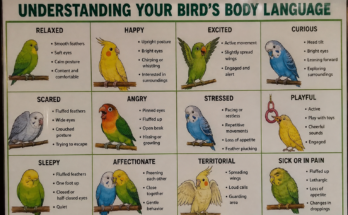
Birds almost always give warning signs before biting.
Learning these signals can save your fingers.
Common warning signs include:
Pinned eyes
Raised feathers
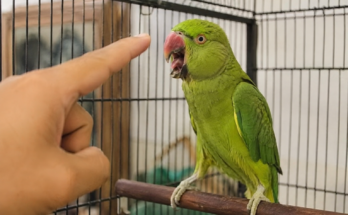
Open beak
Hissing sounds
Tail fanning
Leaning forward
Rapid breathing
Moving away from your hand
Ignoring these signals often results in a bite.
Respect your bird’s warnings instead of pushing further.
Are Some Bird Species More Likely to Bite?
Every bird has its own personality, but some species are naturally more independent or protective than others.
Species that may bite more often include:
Parrots
Cockatoos
Amazon parrots
Macaws
Indian Ringnecks
Lovebirds
Even small birds can deliver surprisingly painful bites.
On the other hand, Budgies, Cockatiels, and Canaries are generally considered gentler, although any bird can bite if frightened or stressed.
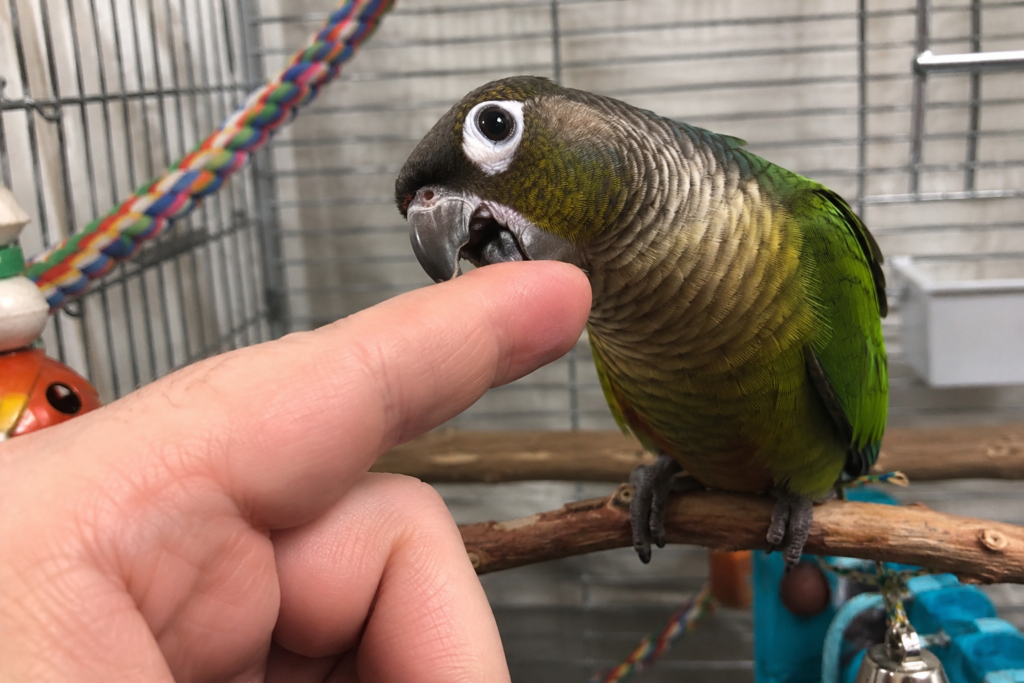
Common Mistakes Bird Owners Make
Many owners accidentally encourage biting without realizing it.
Some common mistakes include:
Punishing the bird
Yelling after being bitten
Hitting the cage
Moving too quickly
Ignoring body language
Forcing interaction
Rewarding bites with attention
Birds learn from every interaction. Staying calm helps prevent future problems.
Should You Punish a Bird for Biting?
No.
Punishment usually makes biting worse.
Birds do not understand punishment the same way dogs or people might.
Instead, punishment often creates fear, breaks trust, and increases aggressive behavior.
Positive reinforcement works much better.
Reward calm behavior with praise, treats, and gentle interaction.
Ignore unwanted behavior whenever it is safe to do so, then reward the correct behavior when it happens.
How to Stop Your Pet Bird From Biting
Stopping biting requires consistency and patience.
Here are some proven methods.
Build Trust Slowly
Spend time near your bird every day.
Speak softly.
Offer healthy treats.
Allow your bird to approach you voluntarily.
Learn Bird Body Language
Watch your bird carefully.
If it appears uncomfortable, stop interacting before a bite happens.
Use Positive Reinforcement
Reward good behavior immediately.
Birds quickly learn that calm behavior brings rewards.
Respect Personal Space
Do not invade your bird’s cage unnecessarily.
Allow your bird to have a safe place where it feels secure.
Keep a Routine
Birds enjoy predictable schedules.
Regular feeding, sleeping, and playtime reduce stress.
Provide Mental Stimulation
Bored birds often develop behavioral problems.
Offer:
Puzzle toys
Chewing toys
Foraging activities
Training sessions
Natural branches
A busy bird is often a happier bird.
What Should You Do Immediately After a Bite?
Stay calm.
Do not scream or jerk your hand away dramatically.
Sudden reactions may frighten your bird or accidentally reward the biting behavior if it enjoys the attention.
Instead:
Remain calm.
Place your bird back on its perch if necessary.
Wash the wound.
Think about what caused the bite.
Adjust your approach next time.
Learning from each bite is more valuable than reacting emotionally.
Can Birds Ever Completely Stop Biting?
Most birds can learn to bite much less often, but expecting a bird to never bite again is unrealistic.
Biting is part of natural bird communication.
The goal is not to eliminate biting completely but to understand your bird so well that bites become rare.
Birds that trust their owners usually communicate through body language long before they feel the need to bite.
Building a Strong Relationship With Your Bird
The best way to prevent biting is to create a relationship based on trust.
Spend quality time together every day.
Respect your bird’s feelings.
Provide a healthy diet, enough sleep, regular exercise, and plenty of mental stimulation.
As your bird learns that you are safe and predictable, biting usually decreases naturally.
A patient owner almost always enjoys a stronger bond than someone who tries to force quick results.
Final Thoughts
If you have been asking why do pet birds bite, the answer is rarely because they are aggressive by nature. Most bites happen because a bird is scared, stressed, protecting its territory, feeling sick, or trying to communicate something important.
Understanding your bird’s body language, respecting its boundaries, and using positive reinforcement can greatly reduce biting over time. Every bird has its own personality, and building trust takes patience, consistency, and kindness.
Remember that biting is simply one form of communication. When you listen to what your bird is trying to say instead of reacting with frustration, you create a happier environment for both you and your feathered companion. With proper care and gentle handling, most pet birds become loving, confident companions that enjoy spending time with their owners.