If you share your home with a pet bird, you already know that birds are naturally vocal. They chirp, whistle, sing, and call throughout the day. However, when the noise turns into constant screaming, it can become stressful for both the bird and the owner. The good news is that most screaming is caused by an underlying reason, and once you understand why your bird is screaming, you can fix the problem.
In this guide, you will learn how to stop a bird from screaming, what causes excessive screaming, and the best ways to encourage calm and happy behavior.
Why Do Birds Scream?
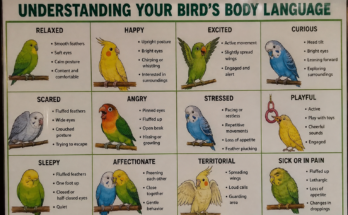
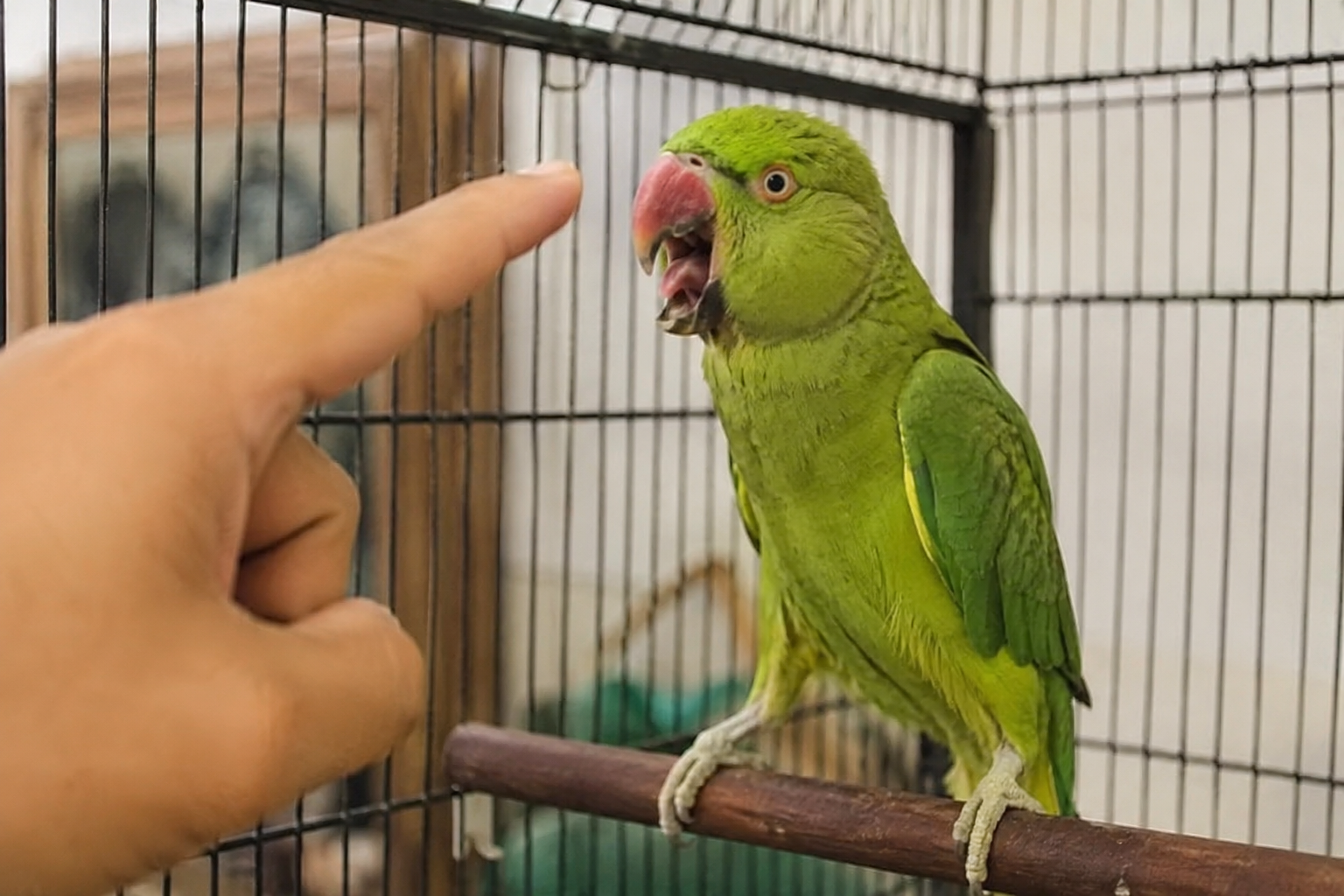
Before trying to stop the behavior, you need to understand that screaming is a form of communication. Birds cannot tell you what they need with words, so they use loud calls to get your attention.
Sometimes screaming is completely normal. Many parrots have a natural morning and evening call. This is part of their daily routine and should not be confused with problem screaming.
Excessive screaming usually happens because something is making your bird uncomfortable, bored, scared, or frustrated.
Understanding the reason behind the noise is the first step in learning how to stop a bird from screaming.
Common Reasons Why Birds Scream
They Want Attention
This is one of the biggest reasons pet birds scream.
Birds are social animals. In the wild, they spend almost every minute with their flock. When they live in your home, you become their flock. If they feel ignored, they may scream until you respond.
If you immediately run to your bird every time it screams, the bird quickly learns that screaming gets attention.
They Are Bored
Birds are intelligent creatures that need mental stimulation every day.
If your bird spends hours sitting in a cage without toys, activities, or interaction, screaming becomes a way to entertain itself.
Bored birds often develop other unwanted behaviors as well, including feather plucking and biting.
They Feel Lonely
Many pet birds dislike being left alone for long periods.
If everyone leaves the house or the room becomes quiet, some birds begin calling loudly because they want to reconnect with their family.
This behavior is especially common in parrots.
Fear or Stress
Loud noises, unfamiliar visitors, new pets, thunderstorms, or changes in the home can make birds nervous.
When birds feel threatened, they may scream as a warning or as a cry for help.
Hunger or Thirst
A bird that has empty food bowls or dirty water may scream to let you know something is wrong.
Always check your bird’s basic needs before assuming the behavior is simply bad.
Lack of Sleep
Most pet birds need between 10 and 12 hours of uninterrupted sleep every night.
If they stay awake too late because of television, lights, or household activity, they may become cranky and scream more during the day.
How to Stop a Bird from Screaming
Never Reward the Screaming
One of the biggest mistakes bird owners make is giving attention while the bird is screaming.
If your bird screams and you immediately pick it up, talk to it, or give it treats, you accidentally teach the bird that screaming works.
Instead, wait until your bird becomes quiet.
The moment the screaming stops, even for a few seconds, praise your bird, offer attention, or give a small treat.
This teaches your bird that being quiet brings rewards.
Give Plenty of Daily Attention
Birds need quality interaction every day.
Spend time talking, training, playing, or simply sitting near your bird.
Even short sessions throughout the day can reduce loneliness and prevent attention-seeking screams.
A happy bird is usually a quieter bird.
Provide Interesting Toys
Keeping your bird busy is one of the best solutions.
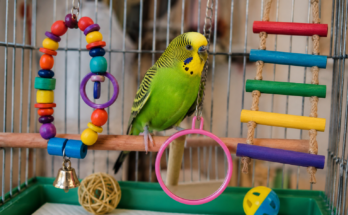
Offer a variety of toys such as puzzle toys, chew toys, swings, ladders, ropes, and foraging toys.
Rotate toys every week so your bird does not become bored.
New challenges keep your bird’s mind active and reduce unnecessary screaming.
Encourage Foraging
Wild birds spend hours searching for food.
Pet birds finish their meals in only a few minutes, leaving them with nothing to do.
Hide healthy treats inside paper cups, cardboard boxes, or bird-safe foraging toys.
Searching for food keeps birds entertained and reduces boredom.
Maintain a Daily Routine
Birds enjoy predictable schedules.
Try feeding, playing, cleaning the cage, and bedtime at similar times every day.
A stable routine helps birds feel safe and reduces anxiety.
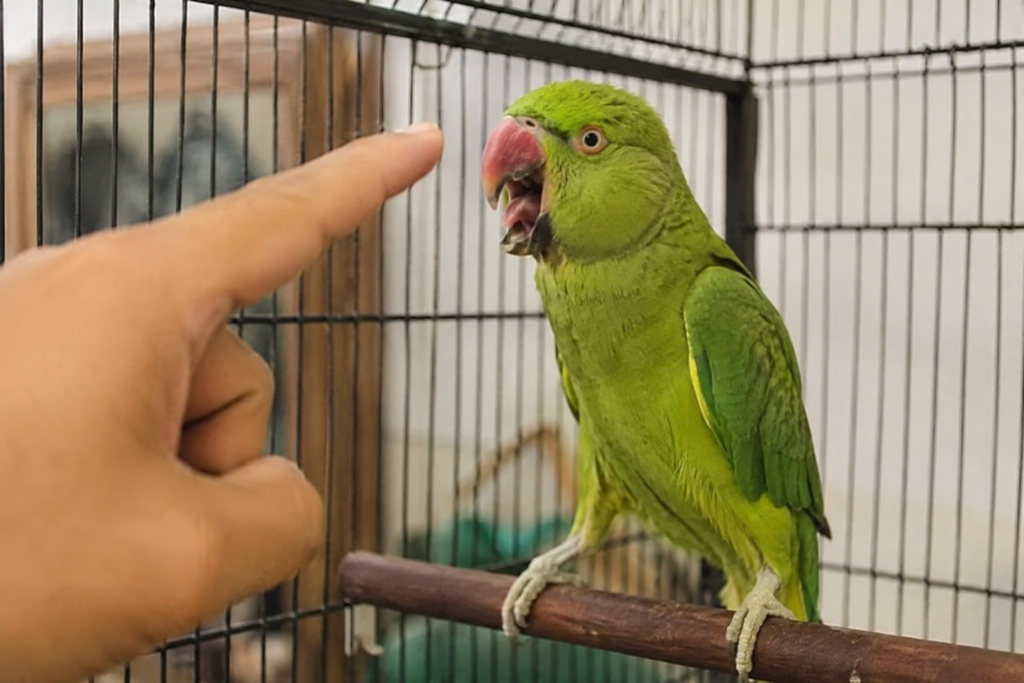
Make Sure the Cage Is Comfortable
A small or empty cage can make birds frustrated.
Your bird should have enough room to stretch its wings, climb, and move comfortably.
Include natural perches of different sizes along with safe toys and climbing areas.
A comfortable environment encourages calm behavior.
Avoid Yelling Back
Many owners respond to screaming by yelling.
Unfortunately, birds often think you are joining the conversation.
Instead of stopping the screaming, yelling usually makes it worse.
Remain calm and avoid reacting emotionally.
Consistency is much more effective than raising your voice.
Teach Quiet Behavior
Positive reinforcement works very well with birds.
Whenever your bird sits quietly or plays peacefully, immediately reward it with praise, gentle attention, or a favorite treat.
Over time, your bird learns that quiet behavior is more rewarding than screaming.
Training sessions of five to ten minutes every day can make a huge difference.
Give Regular Exercise
Birds have a lot of energy.
If possible, allow your bird supervised time outside the cage every day in a safe room.
Flying, climbing, and exploring help release energy that might otherwise turn into screaming.
Physical activity also improves overall health.
Reduce Stress
Watch for anything that may be upsetting your bird.
Common stress factors include loud music, constant television, aggressive pets, sudden movements, or unfamiliar people.
Place the cage in a comfortable area where your bird can see family activity without being surrounded by constant noise.
A peaceful environment often leads to a calmer bird.
Make Sure Your Bird Gets Enough Sleep
A tired bird is often a noisy bird.
Create a quiet bedtime routine every evening.
Turn off bright lights, reduce noise, and allow your bird to sleep without interruptions.
Many owners cover the cage with a breathable cage cover to create a dark and relaxing sleeping environment.
Better sleep often leads to better behavior during the day.
Do Not Punish Your Bird
Punishment does not solve screaming.
Hitting the cage, spraying water, shaking the cage, or yelling only creates fear.
A frightened bird may scream even more because it no longer feels safe.
Always focus on positive training instead of punishment.
Building trust takes time but produces lasting results.
When Screaming May Mean a Health Problem
Sometimes screaming is caused by pain or illness.
If your normally quiet bird suddenly begins screaming excessively, watch for other signs such as:
Loss of appetite
Sleeping more than usual
Feather fluffing
Difficulty breathing
Weight loss
Changes in droppings
Lack of energy
If you notice any of these symptoms, contact an avian veterinarian as soon as possible.
Medical problems should always be ruled out before assuming the issue is behavioral.
Mistakes That Make Screaming Worse
Many owners unknowingly encourage excessive screaming.
Avoid these common mistakes.
Giving attention during screaming.
Ignoring your bird all day.
Keeping the same toys for months.
Allowing inconsistent sleep schedules.
Yelling back at the bird.
Using punishment instead of positive training.
Expecting immediate results.
Changing these habits can significantly reduce unwanted noise.
How Long Does It Take to Stop a Bird from Screaming?
Every bird is different.
Some birds improve within a few days, while others may need several weeks or even months.
The key is consistency.
If everyone in the household follows the same training methods, your bird will learn much faster.
Remember that occasional loud calls are completely normal.
The goal is not to make your bird silent but to reduce unnecessary screaming.
Final Thoughts
Learning how to stop a bird from screaming requires patience, understanding, and consistent training. Birds scream because they are trying to communicate, not because they want to annoy you. Once you identify the reason behind the behavior, you can address the real problem instead of simply reacting to the noise.
Provide daily attention, mental stimulation, regular exercise, quality sleep, and positive reinforcement. Avoid rewarding screams and never punish your bird for communicating. With time, your bird will understand that calm and quiet behavior brings more rewards than loud screaming.
A happy, healthy, and mentally stimulated bird is far less likely to scream excessively, making life more enjoyable for both you and your feathered companion.