Bringing a bird home is an exciting experience. Birds are intelligent, beautiful, and full of personality. They can become wonderful companions when they receive proper care and attention. However, many first time bird owners make simple mistakes because they do not fully understand what birds need. These mistakes can affect a bird’s health, happiness, and behavior.
Learning about the common mistakes new bird owners make is the best way to avoid problems before they happen. A little knowledge and preparation can help your bird live a long, healthy, and enjoyable life.
In this guide, we will cover the biggest mistakes beginners make and explain how to avoid them.
Why Learning Before Buying a Bird Matters
Many people choose a bird because it looks colorful or talks well. Unfortunately, they often forget that birds require daily care, patience, and commitment. Every bird species has different needs, but all birds need proper nutrition, mental stimulation, social interaction, and a clean environment.
Understanding these needs before bringing a bird home helps prevent stress for both you and your pet.
Choosing the Wrong Bird Species
One of the biggest mistakes new bird owners make is buying the first bird they see.
Different birds have different personalities and care requirements. Some birds are quiet while others can be extremely loud. Some enjoy being handled while others prefer less physical interaction.
For example, parrots usually need several hours of daily attention. Finches enjoy living in groups but rarely like handling. Cockatiels are friendly and easier for beginners.
Before buying any bird, research its lifespan, personality, noise level, cage requirements, and daily care needs.
Choosing the right bird makes ownership much more enjoyable.
Buying a Cage That Is Too Small
A small cage is one of the most common beginner mistakes.
Birds spend many hours inside their cages. They need enough room to stretch their wings, climb, play, and move comfortably.
A cramped cage can cause stress, boredom, feather plucking, and health problems.
Always buy the largest cage your space and budget allow. The spacing between cage bars should also match your bird’s size to prevent injuries.
Remember that bigger is almost always better.
Feeding Only Seeds
Many new owners believe seeds are a complete diet.
This is one of the biggest nutrition mistakes in bird care.
Although birds enjoy seeds, a seed only diet lacks many important vitamins and minerals. Over time, this can lead to obesity, liver disease, and poor feather quality.
A healthy bird diet should include high quality pellets, fresh vegetables, leafy greens, fruits in moderation, and small amounts of seeds as treats.
Fresh clean water should always be available.
Balanced nutrition helps birds stay active, healthy, and energetic.
Ignoring Mental Stimulation
Birds are highly intelligent animals.
Without mental stimulation, they become bored very quickly.
Bored birds may scream, bite, destroy feathers, or become depressed.
Provide a variety of toys including chewing toys, puzzle toys, swings, ladders, ropes, and climbing branches.
Rotate toys every few weeks to keep your bird interested.
Talking, training, and spending time together also provide valuable mental exercise.
Not Spending Enough Time With Your Bird
Birds are social creatures.
Many owners buy a bird expecting it to entertain itself.
In reality, most companion birds need daily interaction with their owners.
Ignoring your bird may lead to loneliness and unwanted behavior.
Spend time talking, training, playing, or simply sitting near your bird every day.
Even fifteen to thirty minutes of quality interaction can strengthen your relationship.
Skipping Regular Cage Cleaning
A dirty cage can quickly become dangerous.
Food leftovers, droppings, feathers, and dirty water encourage bacteria and mold growth.
Clean food and water bowls every day.
Replace cage liners regularly.
Wash perches and toys often.
Deep clean the cage every week using bird safe cleaning products.
A clean cage reduces illness and keeps your bird comfortable.
Using Unsafe Household Products
Birds have very sensitive respiratory systems.
Many common household products release fumes that can seriously harm birds.
Avoid using air fresheners, scented candles, incense, aerosol sprays, strong cleaning chemicals, and smoke around your bird.
Nonstick cookware can also release dangerous fumes if overheated.
Choose bird safe cleaning products and ensure good ventilation throughout your home.
Forgetting About Exercise
Birds need daily physical activity.
Keeping a bird inside its cage all day can lead to obesity and muscle weakness.
Allow supervised out of cage time in a safe room whenever possible.
Close windows and doors before letting your bird fly freely.
Remove dangerous objects such as electrical cords, ceiling fans, toxic plants, and open water containers.
Exercise helps maintain a healthy body and reduces boredom.
Not Providing Enough Sleep
Birds require plenty of uninterrupted sleep.
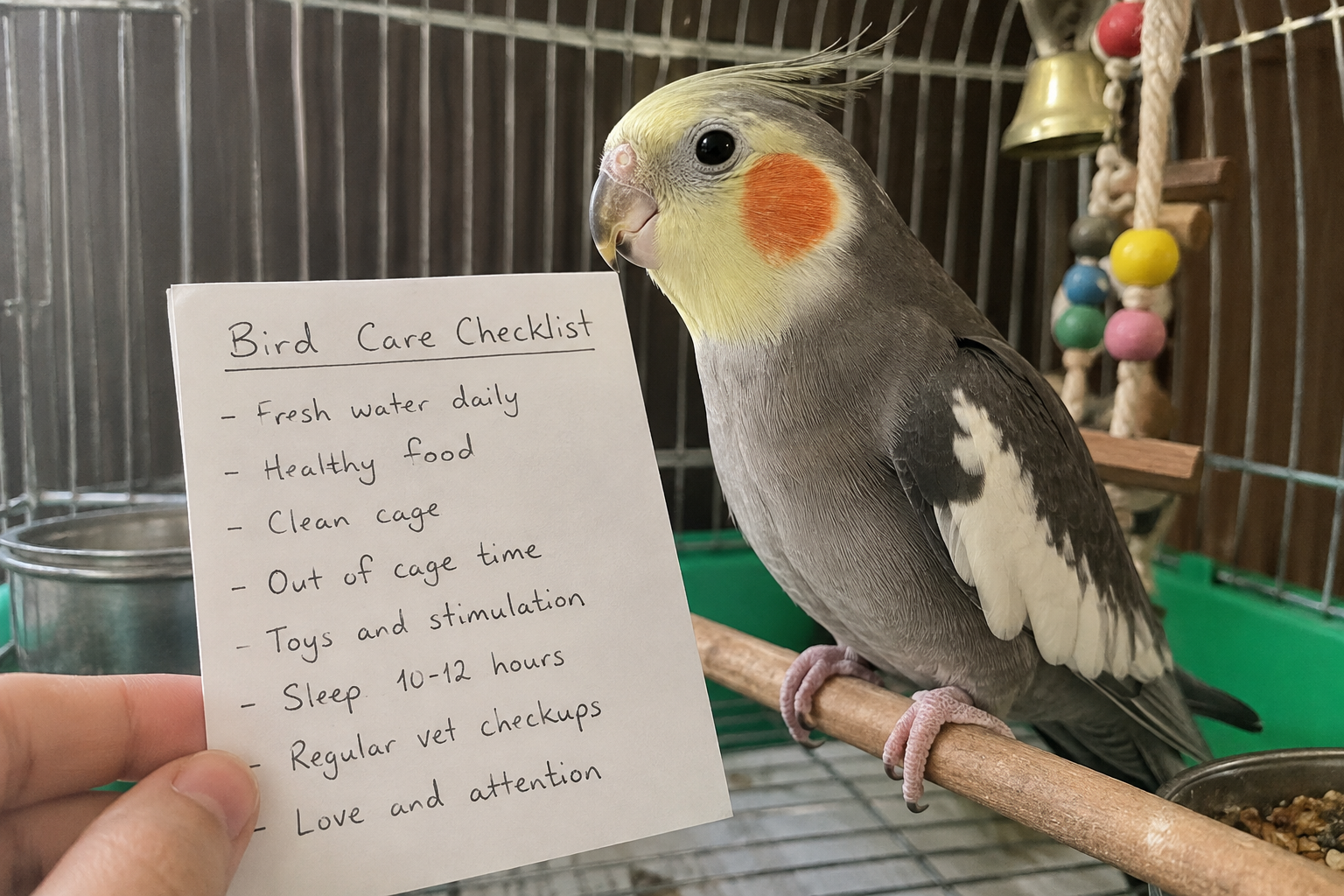
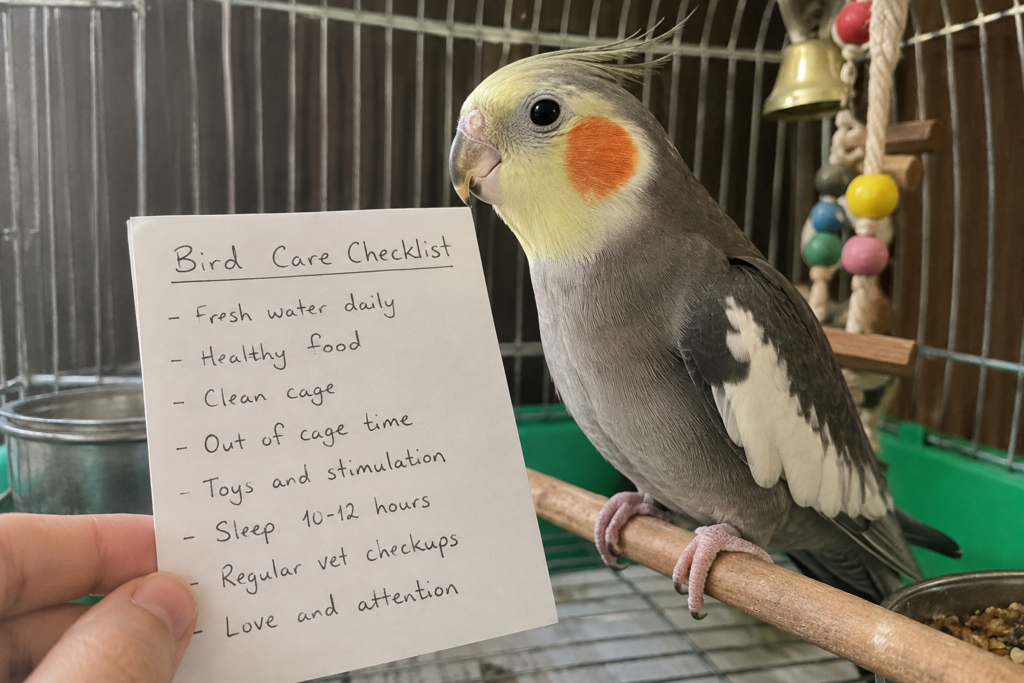
Many pet birds need ten to twelve hours of darkness every night.
Keeping birds awake late because of television, lights, or household noise causes stress and weakens their immune system.
Create a consistent bedtime routine.
Place the cage in a quiet area or cover it with a breathable bird cage cover if needed.
Proper sleep supports healthy behavior and overall wellness.
Ignoring Bird Body Language
Birds communicate through their posture, feathers, eyes, and sounds.
New owners often misunderstand these signals.
A bird with fluffed feathers may feel cold, relaxed, or sick depending on the situation.
Pinned eyes, raised feathers, or an open beak may indicate excitement or warning.
Learning bird body language helps prevent bites and builds trust.
Observe your bird every day so you become familiar with its normal behavior.
Forcing Your Bird to Be Handled
Trust takes time.
Many beginners try to hold or pet their bird immediately after bringing it home.
This usually creates fear instead of friendship.
Allow your bird to settle into its new environment first.
Speak softly and move slowly.
Use treats and positive reinforcement to encourage interaction.
Patience creates a stronger bond than forcing contact.
Neglecting Veterinary Care
Some owners only visit a veterinarian when their bird becomes seriously sick.
Unfortunately, birds naturally hide illness.
By the time symptoms appear, the problem may already be severe.
Schedule regular wellness checkups with an avian veterinarian.
Watch for warning signs such as loss of appetite, breathing difficulty, unusual droppings, sleeping more than normal, or sudden behavior changes.
Early treatment greatly improves recovery.
Giving Unsafe Foods
Not every human food is safe for birds.
Some foods are extremely dangerous.
Never feed chocolate, avocado, caffeine, alcohol, onions, garlic, salty snacks, or foods containing xylitol.
These foods can cause serious illness or even death.
Always research new foods before offering them to your bird.
Fresh vegetables remain one of the healthiest choices.
Ignoring Grooming Needs
Birds naturally care for their feathers, but they still need support.
Provide clean water for bathing several times each week.
Some birds enjoy gentle misting with clean water.
Healthy feathers help birds regulate body temperature and fly properly.
Avoid trimming wings or nails yourself unless you have proper training.
Seek professional help if grooming becomes necessary.
Expecting Immediate Results During Training
Training a bird requires consistency.
Some new owners become frustrated if their bird does not learn commands within a few days.
Every bird learns at its own pace.
Use short training sessions with positive reinforcement and healthy treats.
Celebrate small improvements.
Never punish your bird for mistakes.
Positive experiences make training enjoyable for both of you.
Overlooking Safety Around the House
Your home contains many hidden dangers.
Open windows, mirrors, toxic plants, electrical wires, ceiling fans, hot stoves, and other pets can all pose risks.
Bird proof your home before allowing your bird outside the cage.
Always supervise free flight time.
Simple safety precautions can prevent serious accidents.
Buying Too Many Toys at Once
Many owners fill the cage with dozens of toys.
While toys are important, overcrowding leaves little room for movement.
Choose several different toy types instead.
Rotate them every few weeks.
This keeps your bird interested while maintaining enough space for climbing and stretching.
Forgetting That Birds Live a Long Time
Many people underestimate how long birds live.
Cockatiels often live twenty years or more.
African Greys and Macaws can live for several decades with proper care.
Owning a bird is a long term commitment.
Think carefully about your future lifestyle before choosing a pet bird.
How to Become a Better Bird Owner
The best bird owners continue learning every day.
Read books, watch educational videos, join bird communities, and ask experienced bird keepers for advice.
Observe your own bird closely because every bird has a unique personality.
The more time you spend learning, the better care you can provide.
Your bird will reward your efforts with trust, companionship, and affection.
Conclusion
Understanding the common mistakes new bird owners make can help you give your feathered companion the best possible life. From choosing the right cage and feeding a balanced diet to providing mental stimulation and regular veterinary care, every small decision affects your bird’s health and happiness.
Bird ownership is a rewarding journey that requires patience, responsibility, and continuous learning. By avoiding these beginner mistakes, you can build a strong bond with your bird and enjoy many wonderful years together. A happy, healthy bird is the result of informed care, daily attention, and genuine love.
