Introduction
Bringing a pet bird into your home is an exciting experience. Birds are intelligent, colorful, and full of personality. They can become loyal companions when they receive proper love and care. However, many new bird owners underestimate the daily responsibility that comes with keeping a bird healthy and happy. Learning the right care methods from the beginning helps your bird live a longer and more comfortable life.
These essential bird care tips will help every owner understand what their feathered friend needs. Whether you own a budgie, cockatiel, lovebird, parrot, or canary, these tips will help you build a strong bond with your pet while keeping it healthy and active.
Choose the Right Bird for Your Lifestyle
One of the first essential bird care tips is choosing the right bird. Every bird species has different needs. Some birds enjoy spending hours with their owners, while others are more independent. Large parrots need more space, attention, and mental stimulation than smaller birds.
Before bringing a bird home, learn about its lifespan, diet, noise level, cage requirements, and personality. Selecting the right bird makes it easier for both you and your pet to enjoy a happy life together.
Buy a Spacious Cage
Your bird spends a large part of its day inside the cage. It should have enough room to stretch its wings, climb, and move freely. A small cage can lead to stress, boredom, and health problems.
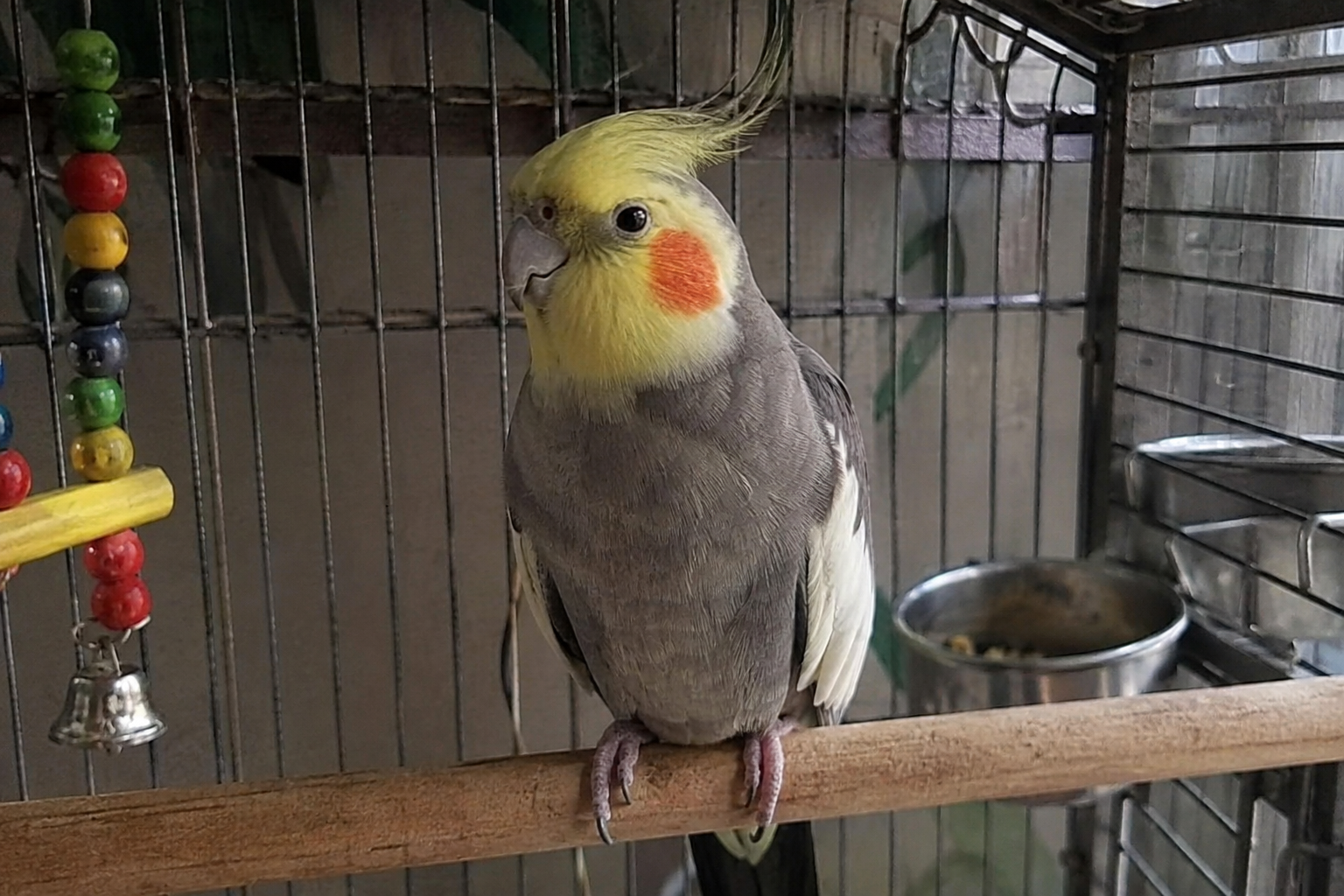
Choose a cage that is wider than it is tall because birds usually fly sideways. Place several perches at different heights and leave enough open space for movement. Stainless steel cages are durable and easier to clean.
The cage should also have secure locks since many birds quickly learn how to open simple doors.
Keep the Cage Clean
A clean cage is one of the most important parts of bird care. Dirty cages can become breeding grounds for bacteria, mold, and parasites.
Replace cage liners every day. Wash food and water bowls daily using warm water. Clean perches and toys every week. Give the entire cage a deep cleaning at least once every month using bird safe cleaning products.
A clean environment keeps your bird healthier and reduces the risk of infections.
Feed a Balanced Diet
Proper nutrition plays a huge role in your bird’s health. Many owners believe seeds alone are enough, but this is not true. Most birds need a balanced diet that includes high quality pellets, fresh vegetables, fruits, and limited seeds.
Offer leafy greens like spinach, kale, and lettuce. Vegetables such as carrots, broccoli, peas, and bell peppers are excellent choices. Fruits including apples, berries, bananas, and grapes can be given in moderation.
Always remove leftover fresh food after a few hours to prevent spoilage.
Avoid giving birds chocolate, avocado, onions, garlic, alcohol, caffeine, and salty foods because these can be toxic.
Always Provide Fresh Water
Fresh drinking water should always be available. Birds drink throughout the day, especially during warm weather.
Wash the water dish every morning and refill it with clean water. If your bird likes bathing in the water bowl, replace it immediately after it becomes dirty.
Hydration is essential for healthy feathers, digestion, and overall well being.
Give Your Bird Daily Exercise
Birds need physical activity to stay healthy. Wild birds fly long distances every day, so pet birds also need opportunities to exercise.
Allow your bird to spend supervised time outside the cage in a bird safe room. Remove dangerous objects such as ceiling fans, open windows, mirrors, and toxic plants before letting your bird fly.
Exercise strengthens muscles, prevents obesity, and keeps birds mentally stimulated.
Provide Mental Stimulation
Birds are highly intelligent animals. Without enough mental stimulation, they can become bored and develop unwanted behaviors like feather plucking or excessive screaming.
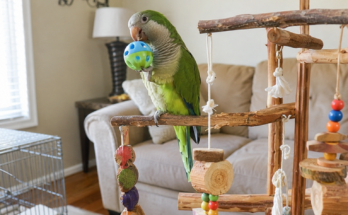
Offer a variety of toys including puzzle toys, chew toys, swings, bells, ropes, and ladders. Rotate toys every few weeks to keep your bird interested.
Spend time talking to your bird every day. Many birds enjoy learning simple tricks and commands, which helps keep their minds active.
Build Trust Slowly
Every bird has its own personality. Some birds become friendly quickly, while others need more time.
Speak softly and move slowly around your bird. Avoid grabbing it suddenly because this creates fear. Let your bird come to you naturally.
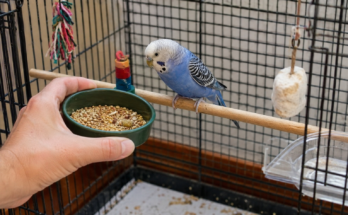
Offering healthy treats from your hand helps build trust. With patience and consistency, your bird will become more comfortable around you.
Keep Regular Sleeping Hours
Sleep is very important for birds. Most pet birds need around ten to twelve hours of uninterrupted sleep every night.
Place the cage in a quiet room during bedtime. Reduce noise and bright lights. Many owners cover the cage with a breathable cloth to create a calm sleeping environment.
Good sleep supports a healthy immune system and reduces stress.
Schedule Regular Veterinary Checkups
Birds often hide signs of illness until they become very sick. Regular health checkups allow problems to be detected early.
Visit an avian veterinarian at least once a year. Contact your vet immediately if your bird shows signs such as loss of appetite, unusual droppings, difficulty breathing, swollen eyes, feather loss, or unusual tiredness.
Early treatment greatly improves recovery.
Watch for Signs of Stress
Understanding your bird’s behavior is one of the best essential bird care tips. Stress can affect both physical and emotional health.
Common signs include feather plucking, constant screaming, hiding, loss of appetite, biting, or sitting quietly for long periods.
Stress can result from loud noises, sudden environmental changes, lack of attention, poor diet, or illness. Identifying the cause early helps your bird recover more quickly.
Maintain Proper Temperature
Birds are sensitive to sudden temperature changes. Keep your home at a comfortable temperature and avoid placing the cage near air conditioners, heaters, fireplaces, or direct sunlight.
Cold drafts can also make birds sick. Choose a stable location where your bird feels safe and comfortable throughout the day.
Give Safe Bathing Opportunities
Most birds enjoy bathing because it keeps their feathers clean and healthy.
Some birds prefer a shallow dish of water while others enjoy a gentle mist from a spray bottle. Let your bird choose the bathing style it enjoys most.
Never force your bird to bathe if it appears frightened.
Trim Nails When Needed
Overgrown nails can make it difficult for birds to perch comfortably.
If you are unsure how to trim nails safely, ask an avian veterinarian or experienced bird groomer for help. Cutting nails incorrectly may cause bleeding and injury.
Natural wood perches can also help wear down nails over time.
Avoid Dangerous Household Items
Many everyday household products can harm birds.
Keep your bird away from cigarette smoke, scented candles, air fresheners, aerosol sprays, strong cleaning chemicals, nonstick cookware fumes, and toxic houseplants.
Birds have very sensitive respiratory systems, making clean air extremely important.
Spend Quality Time Together
Birds are social animals and enjoy interacting with their owners. Spending time together strengthens your relationship and prevents loneliness.
Talk to your bird, teach simple tricks, play games, or simply sit nearby while reading or working. Even short daily interactions make a big difference.
A loved bird is usually happier, friendlier, and more confident.
Learn Your Bird’s Body Language
Birds communicate through body language. Understanding these signals helps you respond appropriately.
Relaxed feathers, gentle chirping, and playful movements usually indicate happiness. Fluffed feathers, aggressive biting, constant hissing, or repeated wing spreading may signal fear or discomfort.
Observing your bird every day helps you recognize changes quickly.
Create a Safe Daily Routine
Birds enjoy predictable routines. Feeding, cleaning, exercise, and bedtime should happen around the same time every day.
Consistent routines reduce anxiety and help birds feel secure in their environment.
Small daily habits often have the biggest impact on your bird’s overall health.
Conclusion
Following these essential bird care tips will help your feathered companion enjoy a healthier and happier life. Proper nutrition, a clean cage, regular exercise, mental stimulation, and routine veterinary care all work together to support your bird’s well being. Every bird deserves patience, kindness, and daily attention.
The more time you spend learning about your bird’s needs, the stronger your bond will become. By practicing these essential bird care tips every day, you can provide your pet with a safe, loving home where it can thrive for many years.