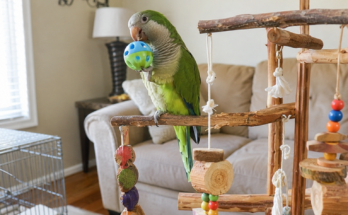
Bringing a pet bird into your home is an exciting experience. Birds are intelligent, social, and full of personality. They can become wonderful companions when they receive proper care and attention. If you are new to bird ownership, learning the basics is the first step toward giving your feathered friend a happy and healthy life. This complete beginner guide to pet bird care will help you understand everything you need to know before and after bringing a bird home.
Why Pet Birds Make Great Companions
Pet birds are loved by millions of people around the world because they are beautiful, entertaining, and affectionate. Many birds enjoy interacting with their owners and can form strong bonds with them. Some species can even learn to mimic words, whistles, and sounds.
Unlike many other pets, birds have unique personalities. Some are playful and energetic, while others are calm and gentle. Choosing the right bird depends on your lifestyle, available space, and the amount of time you can spend with your pet.
Choosing the Right Bird for Beginners
The first step in pet bird care is selecting the right species. Beginners should choose birds that are friendly, easy to care for, and adaptable.
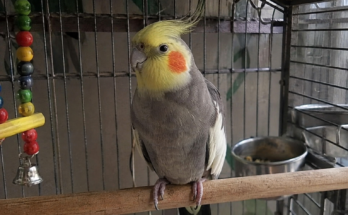
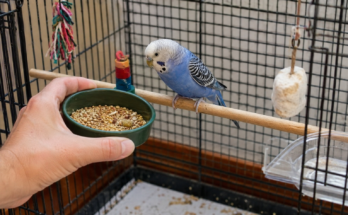
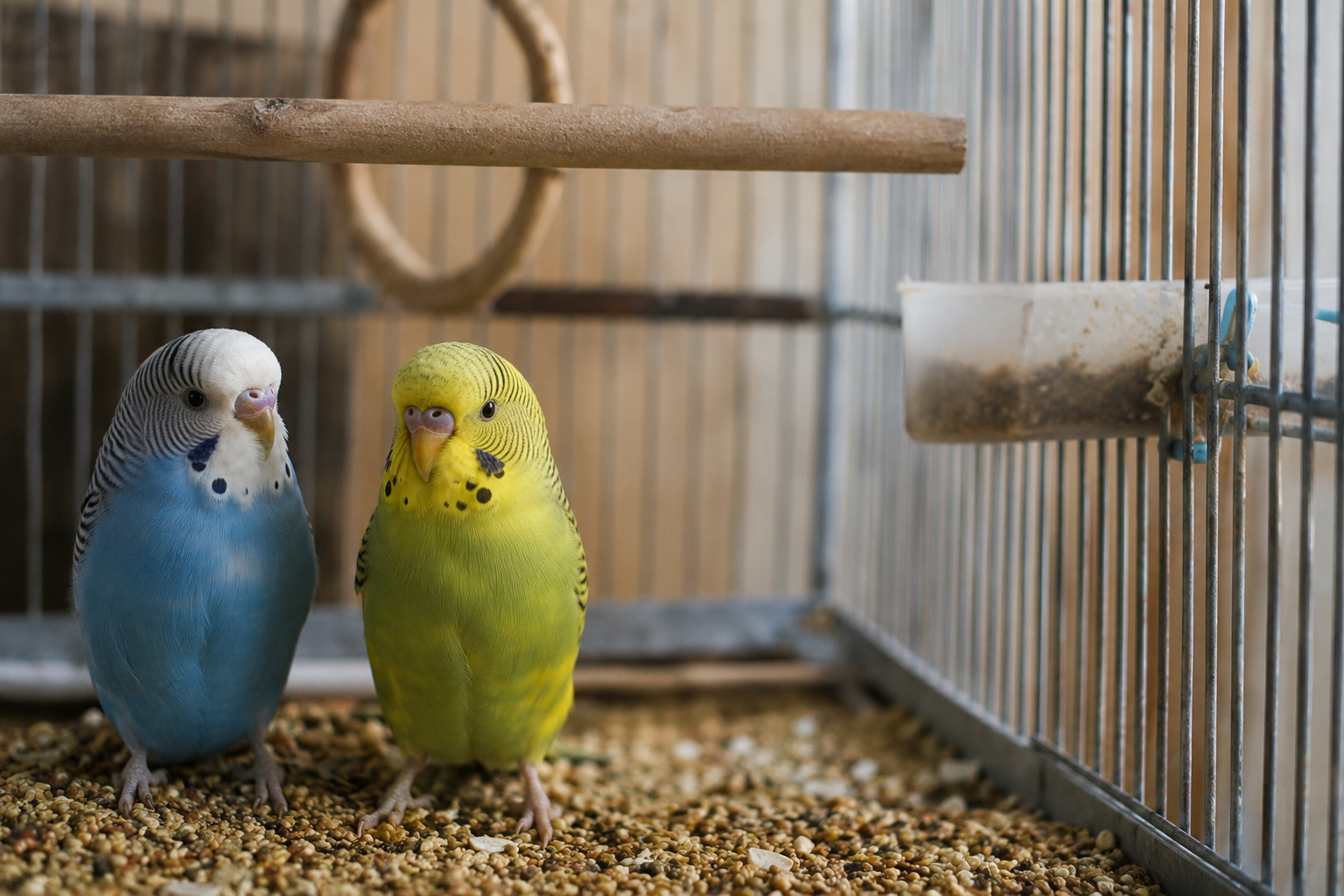
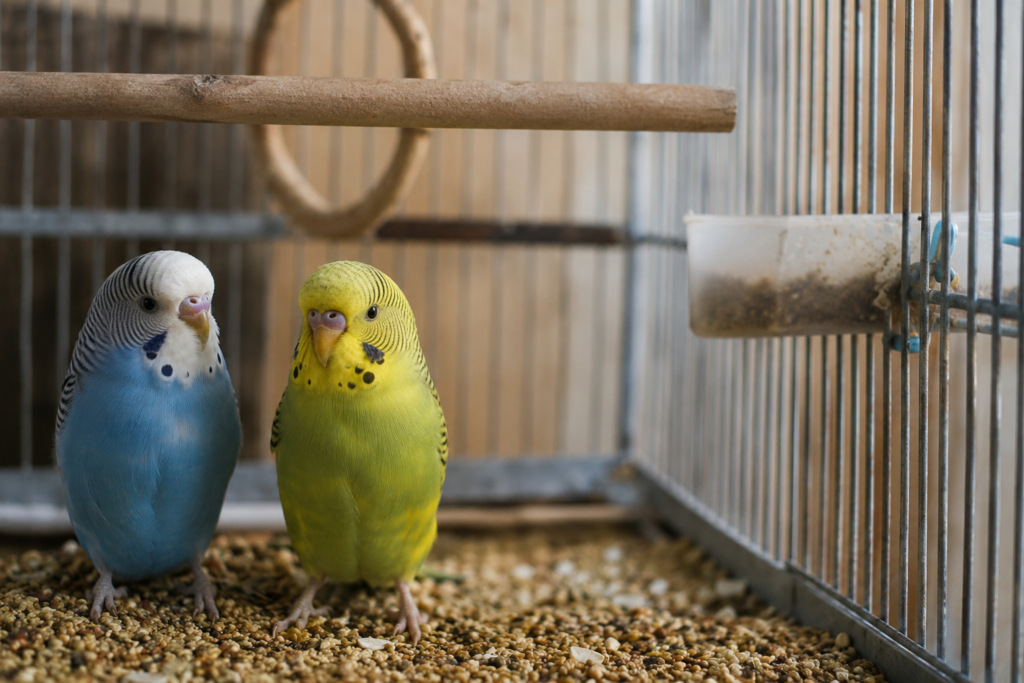
Some of the best pet birds for beginners include budgies, cockatiels, canaries, finches, and lovebirds. Budgies are especially popular because they are affordable, easy to train, and very social. Cockatiels are gentle and enjoy spending time with their owners, making them another excellent choice.
Before buying a bird, research its lifespan, size, diet, and personality. Remember that many birds live for several years, and larger parrots can live for decades.
Preparing Your Home for a Pet Bird
Before bringing your bird home, make sure everything is ready. Purchase a spacious cage that allows your bird to move freely, stretch its wings, and climb comfortably.
Place the cage in a quiet area where the bird can still see family members. Birds enjoy being around people but should not be exposed to constant loud noises or direct sunlight throughout the day.
Avoid placing the cage near kitchens because smoke, strong cooking odors, and nonstick cookware fumes can be dangerous for birds.
Choosing the Right Bird Cage
A proper cage is one of the most important parts of pet bird care. The cage should be large enough for your bird to move around comfortably. Bigger cages are always better because they provide more room for exercise.
Choose a cage made from bird safe materials with horizontal bars that allow climbing. The spacing between bars should match the size of your bird to prevent injuries.
Inside the cage, provide several perches with different thicknesses. Natural wood perches help keep your bird’s feet healthy and comfortable.
Essential Bird Cage Accessories
Every beginner bird owner should include basic accessories inside the cage.
Food bowls
Water bowls
Natural wood perches
Bird safe toys
A swing
A cuttlebone for calcium
These accessories keep your bird active, healthy, and mentally stimulated. Rotate toys every few weeks to prevent boredom.
Feeding Your Pet Bird
A healthy diet is essential for every bird. Many beginners think seeds are enough, but birds need a balanced diet to stay healthy.
High quality bird pellets should make up the majority of the diet. Fresh vegetables such as carrots, broccoli, spinach, peas, and bell peppers provide important vitamins and minerals.
Fresh fruits like apples, berries, bananas, and mangoes can be given in moderation as healthy treats.
Always provide clean drinking water every day.
Avoid feeding birds chocolate, avocado, onions, garlic, caffeine, alcohol, salty foods, or sugary snacks because these foods can be harmful or even deadly.
Daily Care Routine
Creating a daily routine helps birds feel safe and comfortable.
Every day you should replace food and water, remove leftover food, clean obvious messes, and spend quality time with your bird.
Birds enjoy routines because they know what to expect. Consistent feeding times and play sessions help reduce stress.
Keeping Your Bird Happy
Birds are highly intelligent animals that need regular mental stimulation. A bored bird may become noisy or develop unwanted behaviors.
Spend time talking to your bird every day. Offer safe toys, climbing opportunities, and puzzle toys that encourage natural behaviors.
Many birds enjoy listening to gentle music or watching activities around the house.
Allow your bird supervised time outside the cage in a safe room whenever possible. This provides valuable exercise and social interaction.
Understanding Bird Behavior
Learning bird body language helps you understand your pet better.
A relaxed bird often fluffs its feathers slightly, chirps softly, and appears curious.
A frightened bird may flatten its feathers, stay very still, or move away from people.
A happy bird often whistles, sings, plays with toys, and enjoys interacting with its owner.
Understanding these signals allows you to respond appropriately and strengthen your relationship.
Grooming and Hygiene
Proper grooming is an important part of pet bird care.
Most birds enjoy bathing. Offer a shallow dish of clean water or gently mist your bird with clean water a few times each week.
Keep the cage clean by removing waste daily and washing food bowls regularly.
Perform a deep cage cleaning every week using bird safe cleaning products.
Healthy hygiene reduces bacteria and helps prevent illness.
Exercise Is Important
Birds need regular physical activity to stay healthy.
Flying is the best form of exercise when it can be done safely indoors. If free flight is not possible, provide enough space inside the cage for climbing and movement.
Ladders, ropes, swings, and climbing toys encourage exercise and prevent obesity.
Social Interaction Matters
Many pet birds are naturally social animals. They enjoy spending time with their owners and can become lonely if ignored for long periods.
Talk gently to your bird every day. Offer treats during training sessions and reward positive behavior.
Building trust takes time, so always be patient. Never force a frightened bird to interact.
Bird Health Signs
Healthy birds are active, alert, and curious. Their feathers should appear clean and smooth, and their eyes should be bright.
Watch for warning signs such as loss of appetite, sitting quietly for long periods, difficulty breathing, fluffed feathers throughout the day, unusual droppings, or sudden weight loss.
If you notice these symptoms, contact an avian veterinarian as soon as possible.
Common Beginner Mistakes
New bird owners often make simple mistakes that can affect their pet’s health.
Choosing a cage that is too small.
Feeding only seeds.
Ignoring daily social interaction.
Keeping the cage dirty.
Using unsafe household chemicals near the bird.
Allowing dangerous pets to approach the cage.
Learning from these mistakes helps your bird enjoy a healthier life.
Bird Safety at Home
Your home contains many hidden dangers for birds.
Keep windows and doors closed when your bird is outside the cage.
Turn off ceiling fans before allowing flight.
Keep toxic plants away from birds.
Avoid scented candles, air fresheners, cigarette smoke, and aerosol sprays.
Store electrical cords safely to prevent chewing.
Creating a safe environment protects your bird from accidents.
Training Your Pet Bird
Training strengthens the bond between you and your bird.
Begin with simple commands such as stepping onto your finger. Reward successful behavior with praise or a small healthy treat.
Keep training sessions short and positive. Birds learn best through patience and repetition.
Never punish your bird because this can damage trust.
Building a Strong Bond
Birds recognize kindness and consistency. Spend time with your pet every day, speak calmly, and respect its comfort level.
As trust grows, your bird will become more confident and may even enjoy sitting on your shoulder or interacting during family activities.
Building a strong relationship takes time, but it is one of the most rewarding parts of owning a pet bird.
Final Thoughts
Learning the basics of pet bird care is the foundation of becoming a responsible bird owner. From choosing the right cage and providing a healthy diet to offering daily exercise and social interaction, every small effort contributes to your bird’s happiness and health.
This complete beginner guide to pet bird care shows that caring for a bird is not difficult when you understand its needs. With patience, proper nutrition, regular cleaning, and lots of love, your feathered companion can enjoy a long, healthy, and joyful life. As you gain experience, your bond with your bird will continue to grow, making pet bird ownership one of the most rewarding experiences you can have.