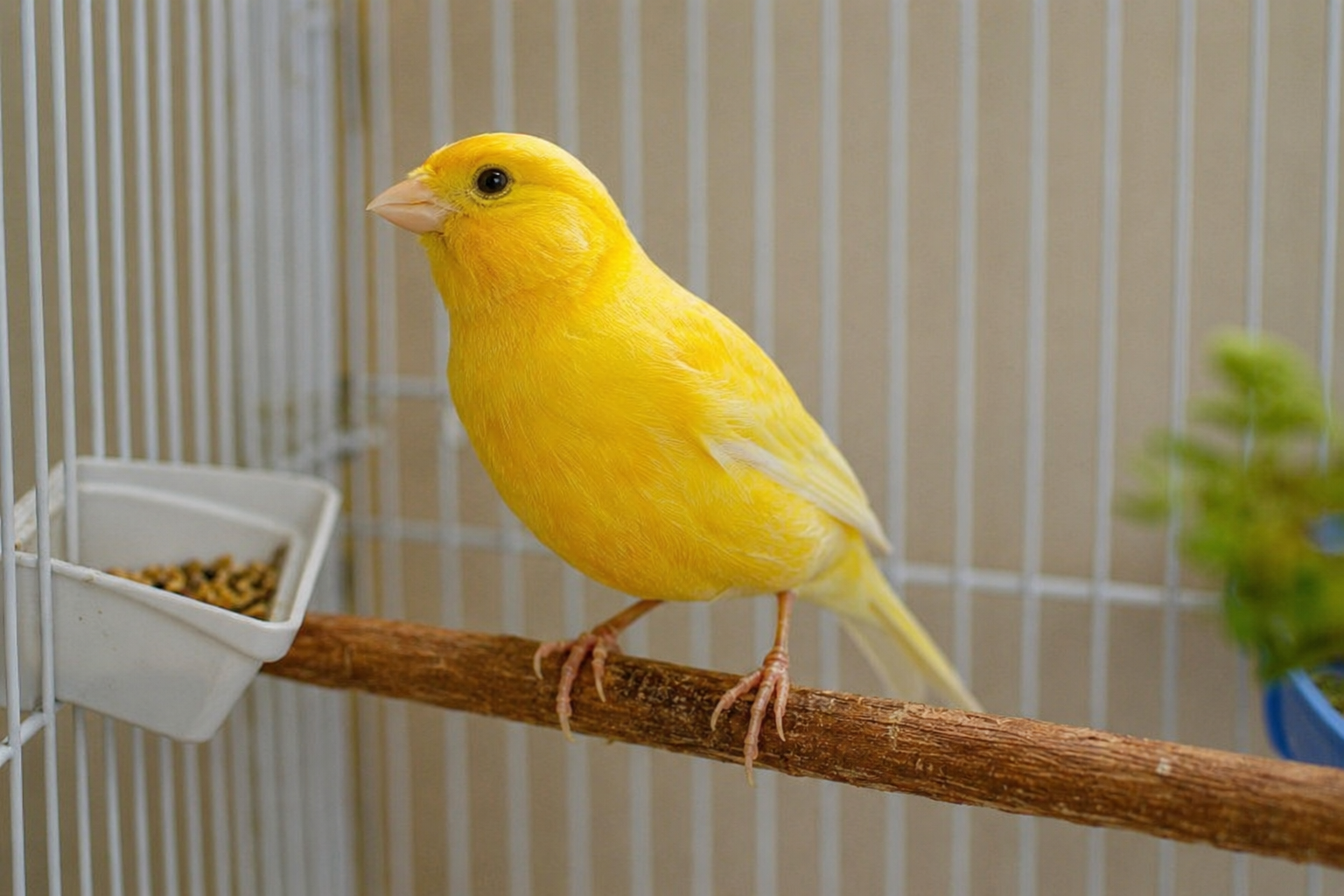
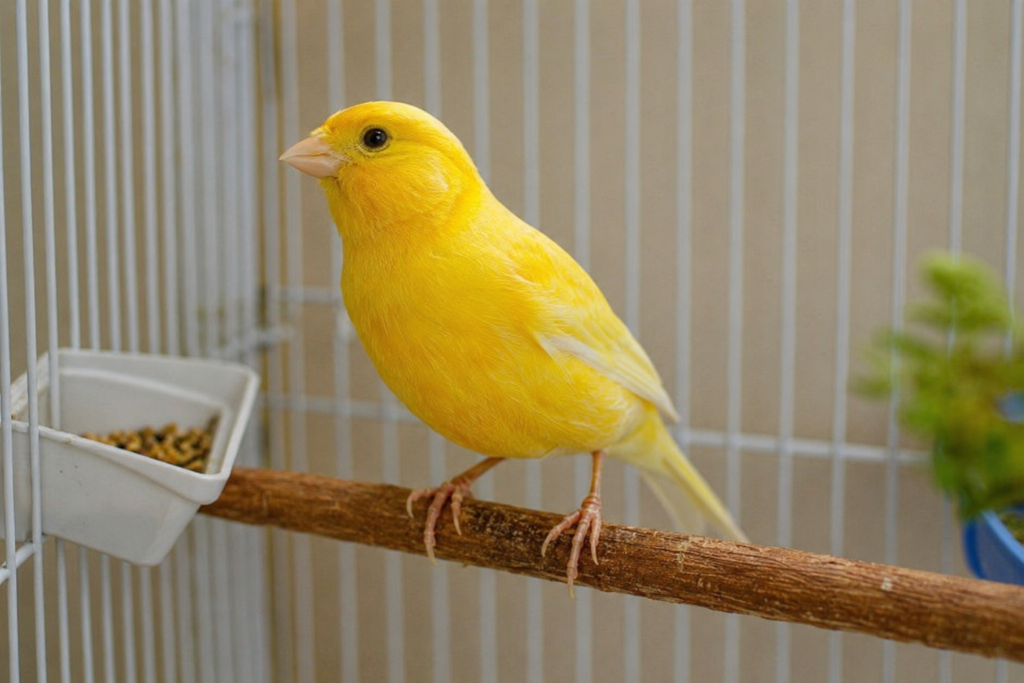
Canary birds are one of the most popular pet birds in the world. They are loved for their beautiful songs, bright colors, and gentle personalities. If you are thinking about bringing a canary into your home, learning the basics of proper care is the first step. This Canary Bird Care Guide will help you understand everything you need to know to keep your feathered friend healthy, happy, and active.
Whether you are a first time bird owner or someone with experience, following the right care routine will help your canary live a long and comfortable life. With the proper cage, healthy diet, clean environment, and regular attention, your bird can become a wonderful companion for many years.
Why Choose a Canary as a Pet?
Canaries are small, colorful birds that are easy to care for compared to many larger parrots. They are independent, peaceful, and famous for their beautiful singing. Male canaries usually sing more than females, especially during the breeding season.
These birds do not require constant handling, making them a great choice for people who enjoy watching and listening to birds rather than holding them. Their cheerful songs can brighten any room and create a relaxing atmosphere.
Choosing a Healthy Canary
Before bringing a canary home, make sure you select a healthy bird. A healthy canary is active, alert, and curious about its surroundings.
Look for these signs:
Bright and clear eyes
Smooth and clean feathers
Clean beak and feet
Steady breathing without wheezing
Active movement around the cage
Avoid birds that appear sleepy all the time, have puffed up feathers, or show signs of discharge from the eyes or nose.
Buying your bird from a trusted breeder or a reputable pet store can reduce the risk of health problems.
The Best Cage for a Canary
A proper cage is one of the most important parts of a Canary Bird Care Guide. Even though canaries are small birds, they need enough room to fly from one perch to another.
Choose a cage that is wider rather than taller because canaries enjoy flying horizontally. The cage should have strong bars with enough space to prevent the bird from escaping.
Place natural wooden perches of different sizes inside the cage. Different perch sizes help keep your bird’s feet healthy.
Include food bowls, a water container, and a bird bath. Keep the cage away from direct sunlight, air conditioners, kitchen smoke, and noisy areas.
Creating a Comfortable Environment
Canaries prefer a peaceful and stress free environment. Loud sounds and sudden movements can make them nervous.
Keep the room temperature between 65 and 80 degrees Fahrenheit. Avoid placing the cage near windows where cold drafts or strong sunlight can affect the bird.
Your canary also needs a regular sleep schedule. Covering the cage at night or keeping the room dark for around 10 to 12 hours helps your bird rest properly.
Fresh air is important, but avoid placing the cage where strong winds or smoke can reach your pet.
Feeding Your Canary
A healthy diet is essential for keeping your bird active and preventing illness.
Many people believe that canaries only eat seeds, but this is not true. A balanced diet should include high quality pellets, seeds, fresh vegetables, fruits, and clean water.
Good vegetables include:
Spinach
Broccoli
Carrots
Peas
Bell peppers
Safe fruits include:
Apple without seeds
Banana
Blueberries
Strawberries
Melon
Offer fresh foods in small amounts and remove leftovers after a few hours to prevent spoilage.
Fresh water should always be available and replaced daily.
Foods to Avoid
Some foods are dangerous for canaries and should never be offered.
Avoid feeding:
Chocolate
Avocado
Onion
Garlic
Alcohol
Caffeine
Apple seeds
Fruit pits
Salty snacks
Sugary foods
These foods can cause serious health problems and may even be fatal.
Keeping the Cage Clean
Cleanliness plays a major role in preventing diseases.
Replace the cage liner every day if possible. Wash food dishes and water bowls daily using warm water.
Clean perches regularly to remove droppings and dirt.
Once a week, thoroughly clean the cage using bird safe cleaning products. Allow everything to dry before placing your canary back inside.
A clean cage keeps harmful bacteria away and helps your bird stay healthy.
Bathing Your Canary
Canaries enjoy bathing and use water to keep their feathers clean.
Place a shallow bird bath inside the cage several times a week. Many canaries will happily splash around on their own.
Remove the bath after your bird finishes bathing so the water stays clean.
Never force your canary into water or use soaps or shampoos made for humans.
Exercise and Mental Stimulation
Although canaries do not play with toys like parrots, they still need daily activity.
Flying inside the cage provides excellent exercise. That is why choosing a spacious cage is so important.
You can also add simple bird toys such as swings, mirrors, or natural branches. Rotate toys occasionally to keep your bird interested.
Listening to soft music or natural bird sounds may also provide gentle stimulation for some canaries.
Can You Handle a Canary?
Unlike parrots, canaries usually prefer not to be handled often.
Most canaries are happier when people admire them from outside the cage. With patience, some birds may become comfortable sitting on your finger, but this should never be forced.
Move slowly around the cage and speak softly so your bird learns to trust you over time.
Respecting your canary’s personality will create a better relationship.
Understanding Canary Behavior
Learning your bird’s behavior helps you recognize when something is wrong.
A happy canary often sings, hops between perches, eats regularly, and keeps its feathers smooth.
Warning signs include:
Loss of appetite
Sleeping most of the day
Fluffed feathers for long periods
Difficulty breathing
Sitting at the bottom of the cage
Loss of singing in a normally vocal male
If you notice these symptoms, contact an avian veterinarian as soon as possible.
Common Health Problems
Even with excellent care, canaries can develop health issues.
Some common problems include respiratory infections, mites, feather loss, digestive issues, and obesity caused by poor diet.
Regular observation allows you to detect problems early.
Scheduling routine checkups with an avian veterinarian is one of the best ways to protect your bird’s health.
Grooming Needs
Canaries naturally maintain most of their grooming through bathing and preening.
Their nails may occasionally become too long, especially if they have smooth perches.
Never trim your bird’s nails unless you know the correct technique or ask a qualified avian veterinarian to do it safely.
Providing natural wood perches often helps keep nails in better condition.
Social Needs
Canaries enjoy watching their surroundings and listening to gentle sounds.
Some owners keep more than one canary, but introducing birds requires care because males may become territorial, especially during breeding season.
If you decide to keep multiple birds, provide enough space and monitor their behavior closely.
A single canary can live a happy life when given proper care, attention, and a comfortable environment.
How Long Do Canaries Live?
One of the biggest advantages of owning a canary is its relatively long lifespan.
With proper nutrition, regular cleaning, and good veterinary care, many pet canaries live between 10 and 15 years. Some even live longer under excellent conditions.
Daily care and early treatment of illnesses can greatly increase your bird’s life expectancy.
Tips for First Time Canary Owners
If you are new to bird ownership, keep these simple tips in mind.
Choose a spacious cage.
Provide fresh food and water every day.
Keep the cage clean.
Avoid sudden loud noises.
Watch for changes in behavior.
Visit an avian veterinarian when needed.
Allow your bird plenty of rest each night.
Spend time observing your canary every day.
Following these simple habits will make caring for your bird much easier.
Conclusion
This Canary Bird Care Guide covers the essential steps every owner should know before bringing home one of these beautiful singing birds. A healthy diet, spacious cage, clean environment, and regular observation all play important roles in keeping your canary healthy and happy.
Canaries are peaceful, low maintenance pets that reward their owners with cheerful songs and colorful beauty. By following the advice in this guide, you can provide a safe and comfortable home where your bird can thrive for many years.
If you stay consistent with proper care, your canary will remain active, healthy, and full of life, making it a wonderful companion for your family.