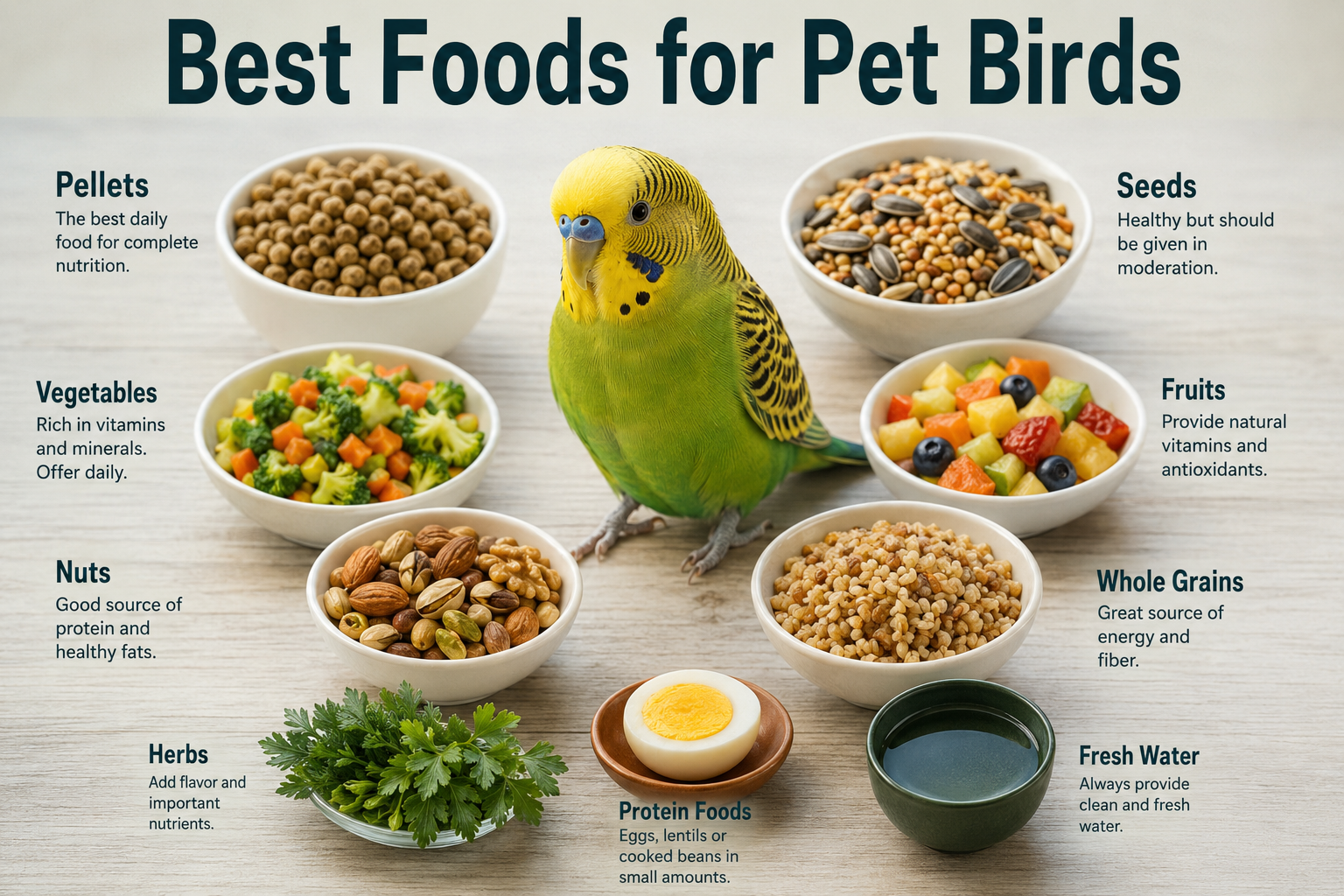
If you own a pet bird, one of the most important things you can do is provide a healthy and balanced diet. Just like humans, birds need the right mix of nutrients to stay active, maintain bright feathers, and live a long life. Feeding the wrong foods can lead to health problems, while a proper diet helps your bird stay happy, energetic, and healthy.
Many new bird owners think that seeds are enough, but the truth is that birds need much more than just seeds. A balanced meal includes pellets, fresh vegetables, fruits, healthy grains, and clean water. Understanding the best foods for pet birds can make a huge difference in your bird’s overall well being.
In this guide, you will learn which foods are best for pet birds, which foods should only be given as treats, and which foods you should never feed.
Why a Balanced Diet Is Important
A healthy diet gives birds the vitamins, minerals, proteins, carbohydrates, and healthy fats they need every day. Good nutrition supports strong bones, healthy feathers, proper digestion, and a stronger immune system.
Birds that eat a balanced diet are usually more active and playful. They also have a lower risk of obesity, liver disease, and vitamin deficiencies. Whether you own a budgie, cockatiel, parrot, lovebird, or cockatoo, proper nutrition should always be a priority.
High Quality Bird Pellets
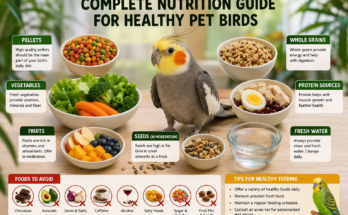
Most avian experts recommend high quality pellets as the foundation of a pet bird’s diet. Pellets are specially designed to provide complete nutrition in every bite.
Unlike seed mixes, birds cannot pick only their favorite ingredients from pellets. This ensures they receive balanced nutrition every day.
Choose pellets that are made for your bird’s species and avoid products with artificial colors or excessive sugar.
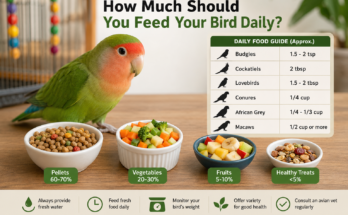
For many birds, pellets can make up around sixty to seventy percent of their daily diet.
Fresh Vegetables
Fresh vegetables are among the best foods for pet birds because they provide vitamins, minerals, and fiber.
Some excellent vegetables include:
Broccoli
Carrots
Spinach
Kale
Bell peppers
Green beans
Peas
Sweet potatoes
Zucchini
Cucumber
Serve vegetables raw or lightly steamed without adding salt, butter, or seasoning.
Offer different vegetables throughout the week to provide a variety of nutrients.
Fresh Fruits
Most birds enjoy fruit because of its natural sweetness. Fruits contain vitamins and antioxidants that support good health.
Healthy fruits include:
Apples without seeds
Bananas
Blueberries
Strawberries
Mango
Papaya
Kiwi
Pears
Grapes in moderation
Watermelon
Because fruits contain natural sugars, they should be offered in moderate amounts rather than as the main part of the diet.
Always wash fruits carefully before serving.
Healthy Seeds
Seeds are often the favorite food of many birds, but they should not be the only food they eat.
Healthy seed options include:
Millet
Canary seed
Flaxseed
Chia seeds
Pumpkin seeds
Sunflower seeds in moderation
Seeds contain healthy fats and protein, but too many seeds can cause weight gain and nutritional deficiencies.
Treat seeds more like a healthy snack instead of a complete meal.
Nuts for Larger Birds
Many larger parrots enjoy eating nuts. Nuts provide healthy fats, protein, and energy.
Safe nuts include:
Almonds
Walnuts
Pistachios without salt
Pecans
Brazil nuts in small amounts
Because nuts are high in calories, only offer small portions several times each week.
Never feed salted, flavored, or roasted nuts with added seasonings.
Whole Grains
Whole grains are another excellent addition to your bird’s diet.
Good grain choices include:
Brown rice
Quinoa
Oats
Whole wheat pasta
Barley
Cooked corn
Whole grains provide long lasting energy and support healthy digestion.
Cook grains without salt, oil, or spices before serving.
Legumes and Beans
Cooked legumes are rich in plant protein and fiber.
Safe choices include:
Lentils
Black beans
Chickpeas
Kidney beans that are fully cooked
Split peas
Never serve raw beans because some varieties contain natural toxins that become safe only after proper cooking.
Protein Rich Foods
Birds also need protein to maintain muscles and produce healthy feathers.
Safe protein sources include:
Boiled eggs
Plain cooked chicken
Cooked turkey
Small amounts of cooked fish
Unsweetened plain yogurt in moderation
Protein should only be offered as part of a balanced diet and not every meal.
Fresh Herbs
Fresh herbs can make meals more interesting while adding valuable nutrients.
Bird safe herbs include:
Parsley
Cilantro
Basil
Dill
Mint
Wash herbs thoroughly before serving.
Fresh Water
Food is only part of a healthy diet. Clean drinking water should always be available.
Replace the water at least once every day. During hot weather, changing it twice daily is even better.
Always clean the water bowl to prevent bacteria from growing.
Foods You Should Never Feed
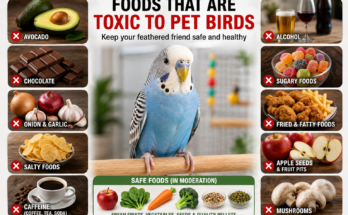
Some foods are dangerous and can even be fatal for birds.
Avoid feeding:
Chocolate
Avocado
Onions
Garlic
Alcohol
Coffee
Tea
Caffeine
Apple seeds
Fruit pits
Raw beans
Salty snacks
Sugary candy
Fried foods
Moldy food
Keeping these foods away from your bird is just as important as providing healthy meals.
How Often Should You Feed Your Bird
Most birds should have access to fresh food every day.
Pellets should be available as the primary food source.
Fresh vegetables can be offered daily.
Fruits can be given several times each week.
Seeds and nuts should be limited and used mainly as treats or training rewards.
Always remove leftover fresh food after a few hours to prevent spoilage.
Tips for Introducing New Foods
Some birds are naturally cautious about trying unfamiliar foods.
If your bird refuses something new, do not give up immediately.
Try these simple methods:
Offer small portions.
Mix new foods with familiar foods.
Serve foods in different shapes.
Eat healthy foods in front of your bird since birds often copy their owners.
Keep offering new foods for several days.
Patience usually leads to success.
Signs Your Bird Is Eating Well
A bird with a healthy diet usually shows several positive signs.
Bright feathers
Good energy levels
Healthy body weight
Clear eyes
Regular droppings
Strong beak and nails
Playful behavior
If your bird suddenly stops eating or shows unusual behavior, consult an avian veterinarian as soon as possible.
Common Feeding Mistakes
Many new bird owners accidentally make feeding mistakes.
Some of the most common include:
Feeding only seeds
Giving too many treats
Offering processed human food
Ignoring fresh vegetables
Providing sugary snacks
Not replacing drinking water daily
Avoiding these mistakes can help your bird stay healthy for many years.
Creating the Perfect Daily Diet
A balanced daily menu could include high quality pellets, fresh vegetables, a small serving of fruit, and occasional healthy seeds or nuts.
Providing variety keeps your bird interested in food while ensuring it receives a wide range of nutrients.
Rotate vegetables and fruits throughout the week so your bird enjoys different flavors and nutrients.
Conclusion
Choosing the best foods for pet birds is one of the biggest responsibilities of every bird owner. A balanced diet made up of quality pellets, fresh vegetables, fruits, whole grains, healthy seeds, and clean water helps birds live longer and healthier lives.
Avoid harmful foods, limit treats, and provide plenty of variety every week. Small improvements in your bird’s diet can lead to better feathers, more energy, and a happier companion. With proper nutrition and daily care, your pet bird can enjoy a healthy and active life for many years.