Pet birds are delicate animals that can become sick or injured very quickly. Knowing basic first aid tips for pet birds can make a big difference before you reach an avian veterinarian. While first aid is not a replacement for professional medical care, it helps stabilize your bird and may even save its life in an emergency.
Every bird owner should have a basic understanding of common emergencies, warning signs, and how to respond calmly. Whether you own a budgie, cockatiel, parrot, lovebird, or canary, these first aid tips will help you provide immediate care when your feathered friend needs it the most.
Why First Aid Matters for Pet Birds
Birds naturally hide signs of illness because showing weakness in the wild makes them vulnerable to predators. By the time a bird looks obviously sick, the condition may already be serious.
Quick action can prevent a minor injury from becoming life threatening. Learning basic first aid also reduces panic during emergencies and gives your bird the best chance of recovery until veterinary treatment is available.
Keep a Pet Bird First Aid Kit
Every bird owner should prepare a first aid kit before an emergency happens.
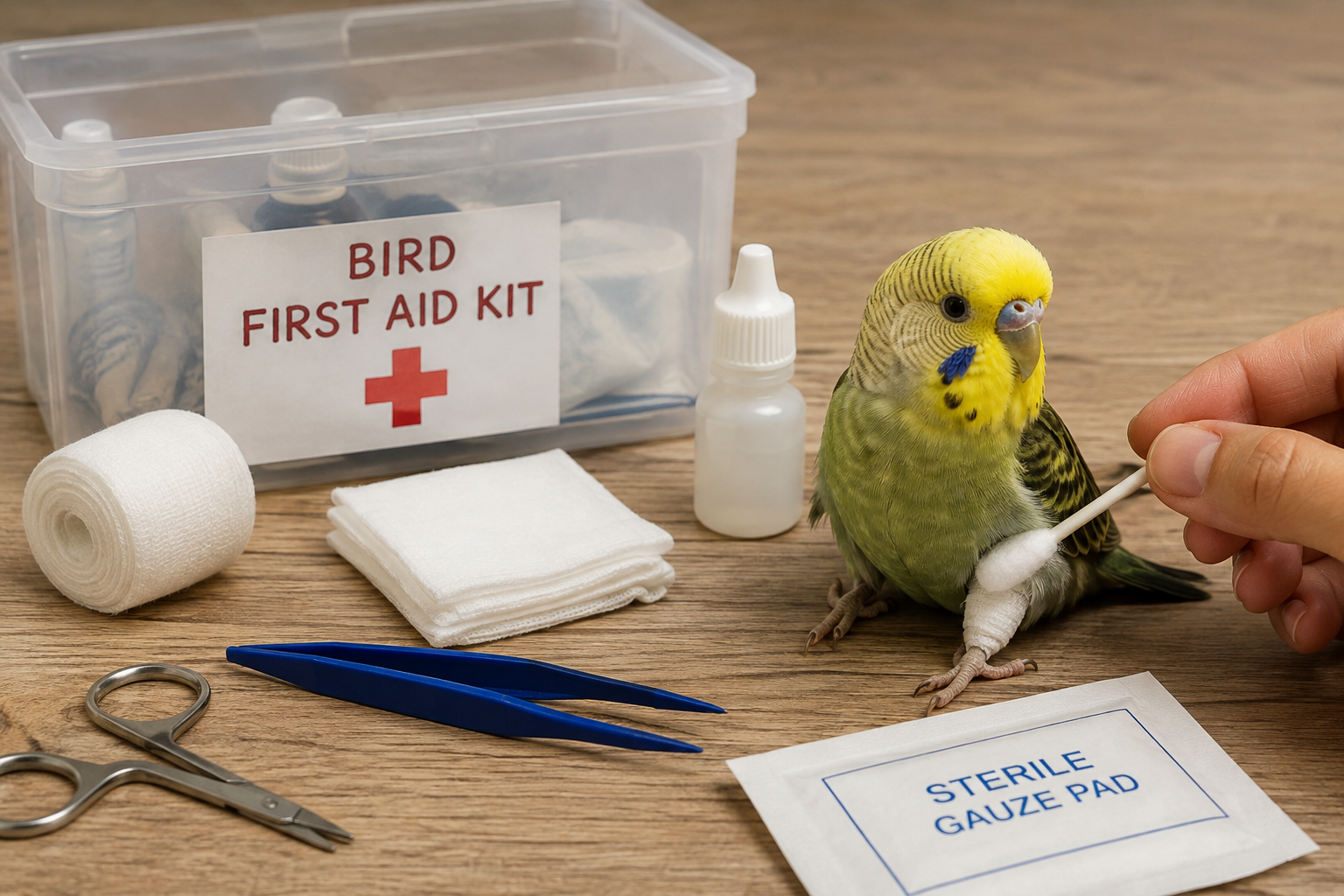
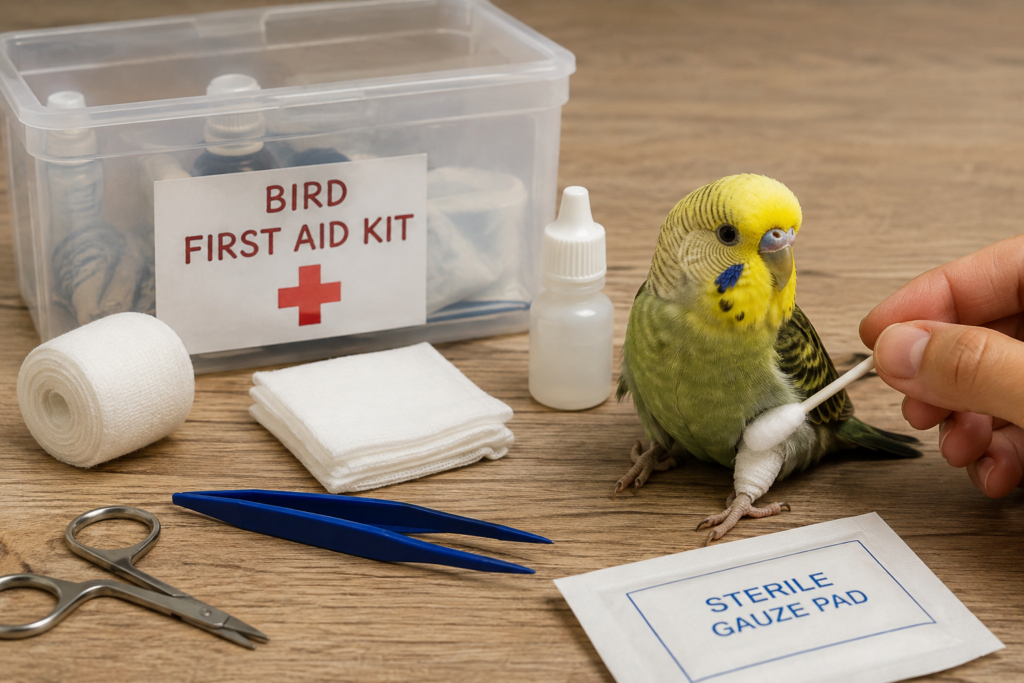
A basic pet bird first aid kit should include:
- Clean gauze pads
- Cotton swabs
- Saline solution for cleaning wounds
- Styptic powder for bleeding nails
- Tweezers
- Small scissors
- Disposable gloves
- Bird safe antiseptic recommended by your veterinarian
- Soft towel
- Syringe without a needle for giving water if advised
- Heating pad or hot water bottle wrapped in a towel
- Emergency contact numbers for your avian veterinarian
Store the kit in a clean, dry place that is easy to access.
Stay Calm During an Emergency
Your bird can sense your emotions. If you panic, your pet may become even more stressed.
Speak softly and move slowly. Avoid sudden movements that could frighten the bird. Gently wrap your bird in a soft towel if handling is necessary. This helps prevent injury to both you and your bird.
How to Handle an Injured Bird
Always support the bird carefully without squeezing its chest. Birds need to expand their chest to breathe, so excessive pressure can make breathing difficult.
Hold the head gently if necessary, but never cover the nostrils. Keep handling to a minimum because stress alone can worsen some medical conditions.
What to Do If Your Bird Is Bleeding
Bleeding is one of the most common emergencies in pet birds.
If the bleeding comes from a broken nail or blood feather, apply gentle pressure using clean gauze for several minutes. Styptic powder can help stop nail bleeding but should not be used on open wounds unless instructed by a veterinarian.
If the bleeding does not stop within five minutes or is heavy, seek emergency veterinary care immediately.
Caring for Minor Cuts and Wounds
Small cuts should be cleaned with sterile saline solution. Avoid using alcohol or hydrogen peroxide because these products can damage healthy tissue.
Keep the wound clean and prevent your bird from picking at it. Watch for swelling, redness, or discharge, as these may indicate infection.
Any deep wound should always be examined by an avian veterinarian.
What to Do If Your Bird Has a Broken Feather
Blood feathers contain an active blood supply while growing. If one breaks, significant bleeding may occur.
Apply gentle pressure with gauze to slow the bleeding. If the bleeding continues or the feather is badly damaged, contact your veterinarian immediately. Removing a blood feather should only be done by someone experienced because improper removal can cause additional injury.
Helping a Bird That Is in Shock
Shock is common after accidents or injuries.
Signs include:
- Weakness
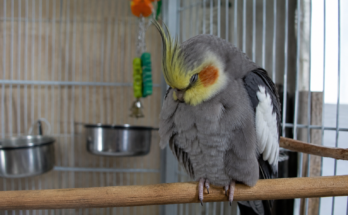
- Fluffed feathers
- Closed eyes
- Cold feet
- Difficulty standing
- Reduced movement
Place the bird in a warm, quiet, dark environment. Maintain a temperature around 85 to 90 degrees Fahrenheit if recommended for your bird’s condition. Avoid unnecessary handling and seek veterinary care immediately.
First Aid for Broken Bones
If you suspect a broken wing or leg, avoid trying to straighten or splint it yourself.
Place your bird in a small travel carrier with soft towels to limit movement. Keeping the bird still helps prevent additional injury while transporting it to the veterinarian.
What to Do If Your Bird Is Choking
Birds may choke on food, toys, or foreign objects.
Signs include:
- Gasping
- Stretching the neck
- Repeated opening of the beak
- Difficulty breathing
Keep the bird calm and avoid putting your fingers into its mouth. Do not attempt to force food or water. Immediate veterinary attention is critical because airway blockage can quickly become fatal.
Heat Stress and Heatstroke
Pet birds can overheat during hot weather or if left in direct sunlight.
Signs of overheating include:
- Panting
- Holding wings away from the body
- Weakness
- Rapid breathing
Move your bird to a cool, shaded area. Offer fresh water and improve air circulation. Do not place the bird in ice cold water because sudden temperature changes can cause shock.
Contact your veterinarian if symptoms continue.
Treating Hypothermia
Birds exposed to cold temperatures may develop hypothermia.
Symptoms include:
- Puffing feathers
- Shivering
- Weakness
- Sleepiness
Warm the bird gradually using a heating pad under half of the carrier or a warm water bottle wrapped in a towel. Never place the bird directly on a heating source.
Veterinary care is recommended even if the bird appears to recover.
Poisoning Emergencies
Many common household items are toxic to pet birds.
Examples include:
- Teflon fumes
- Cigarette smoke
- Air fresheners
- Cleaning chemicals
- Chocolate
- Avocado
- Alcohol
- Caffeine
- Certain houseplants
If poisoning is suspected, remove the bird from the source immediately. Place it in fresh air if fumes are involved. Never try to make your bird vomit.
Take your bird to an avian veterinarian as soon as possible.
Seizures in Pet Birds
Seizures can result from head injuries, poisoning, infections, or underlying diseases.
During a seizure:
Keep the bird in a quiet, dark environment. Remove nearby objects that could cause injury. Do not try to restrain the bird forcefully.
After the seizure ends, keep the bird warm and arrange immediate veterinary evaluation.
Egg Binding Emergency
Female birds may become egg bound when an egg cannot pass normally.
Symptoms include:
- Sitting at the cage bottom
- Straining
- Swollen abdomen
- Weakness
- Reduced appetite
This is a medical emergency. Keep the bird warm and quiet while transporting it to an avian veterinarian immediately.
Burns and Thermal Injuries
Birds may suffer burns from hot cookware, lamps, or electrical equipment.
Cool the affected area gently with cool water for several minutes. Do not apply butter, oils, or human burn creams.
Cover the bird loosely with a clean towel and seek veterinary treatment.
Dehydration in Birds
Dehydration develops quickly in small birds.
Signs include:
- Weakness
- Dry mouth
- Sunken eyes
- Poor appetite
Always provide clean drinking water. If your bird refuses to drink or appears seriously ill, visit an avian veterinarian rather than forcing fluids.
Transporting a Sick or Injured Bird
Safe transportation reduces stress during emergencies.
Use a small travel carrier lined with soft towels. Keep the environment warm, quiet, and dimly lit. Avoid loud noises and sudden movements while driving.
Bring any medications your bird is taking and provide your veterinarian with details about the emergency.
Common First Aid Mistakes to Avoid
Many bird owners unintentionally make emergencies worse.
Avoid these mistakes:
- Giving human medications
- Using random home remedies
- Delaying veterinary treatment
- Feeding food to an unconscious bird
- Applying excessive pressure when holding the bird
- Ignoring small injuries that worsen later
When in doubt, contact an avian veterinarian.
How to Prevent Bird Emergencies
Prevention is always better than treatment.
Keep your bird safe by:
- Removing toxic plants
- Avoiding nonstick cookware fumes
- Supervising out of cage time
- Keeping windows and doors closed
- Providing safe toys
- Maintaining a balanced diet
- Scheduling regular veterinary checkups
- Keeping the cage clean
These simple habits greatly reduce the risk of accidents and illness.
Conclusion
Learning first aid tips for pet birds is one of the most valuable responsibilities of every bird owner. Quick action, gentle handling, and basic first aid can stabilize your bird during emergencies until professional veterinary care is available. Preparing a first aid kit, recognizing warning signs early, and knowing what to do during common emergencies can make a significant difference in your bird’s health and survival.
Remember that first aid is only temporary care. Always contact an avian veterinarian as soon as possible after any injury or serious illness. With proper preparation and knowledge, you can help keep your feathered companion safe, healthy, and protected throughout its life.
Suggested SEO Meta Title:
First Aid Tips for Pet Birds: Emergency Care Every Owner Should Know
Suggested Meta Description:
Learn essential first aid tips for pet birds, including how to handle bleeding, injuries, choking, poisoning, and other emergencies before reaching an avian veterinarian.