A healthy diet is one of the most important parts of keeping a pet bird happy and active. Many bird owners think that giving seeds every day is enough, but that is one of the biggest mistakes. Just like people, birds need a balanced diet with different nutrients to stay healthy. A good nutrition plan helps improve feather quality, supports the immune system, increases energy levels, and even helps birds live longer.
This complete nutrition guide for healthy pet birds will help you understand what your bird should eat, what foods to avoid, and how to create a balanced meal plan. Whether you own a budgie, cockatiel, lovebird, parrot, cockatoo, or another pet bird, these nutrition tips can help keep your feathered friend in excellent condition.
Why Proper Nutrition Matters
Birds have fast metabolisms, which means they burn energy quickly. They need fresh and nutritious food every day. Poor nutrition can lead to weak bones, feather problems, obesity, liver disease, and vitamin deficiencies.
A healthy bird is usually active, curious, and playful. It has bright eyes, smooth feathers, and a strong appetite. Proper nutrition supports every part of your bird’s body and reduces the risk of common health problems.
The Basics of a Balanced Bird Diet
A balanced bird diet should include several food groups instead of only one type of food. Each food provides different nutrients that work together to keep your bird healthy.
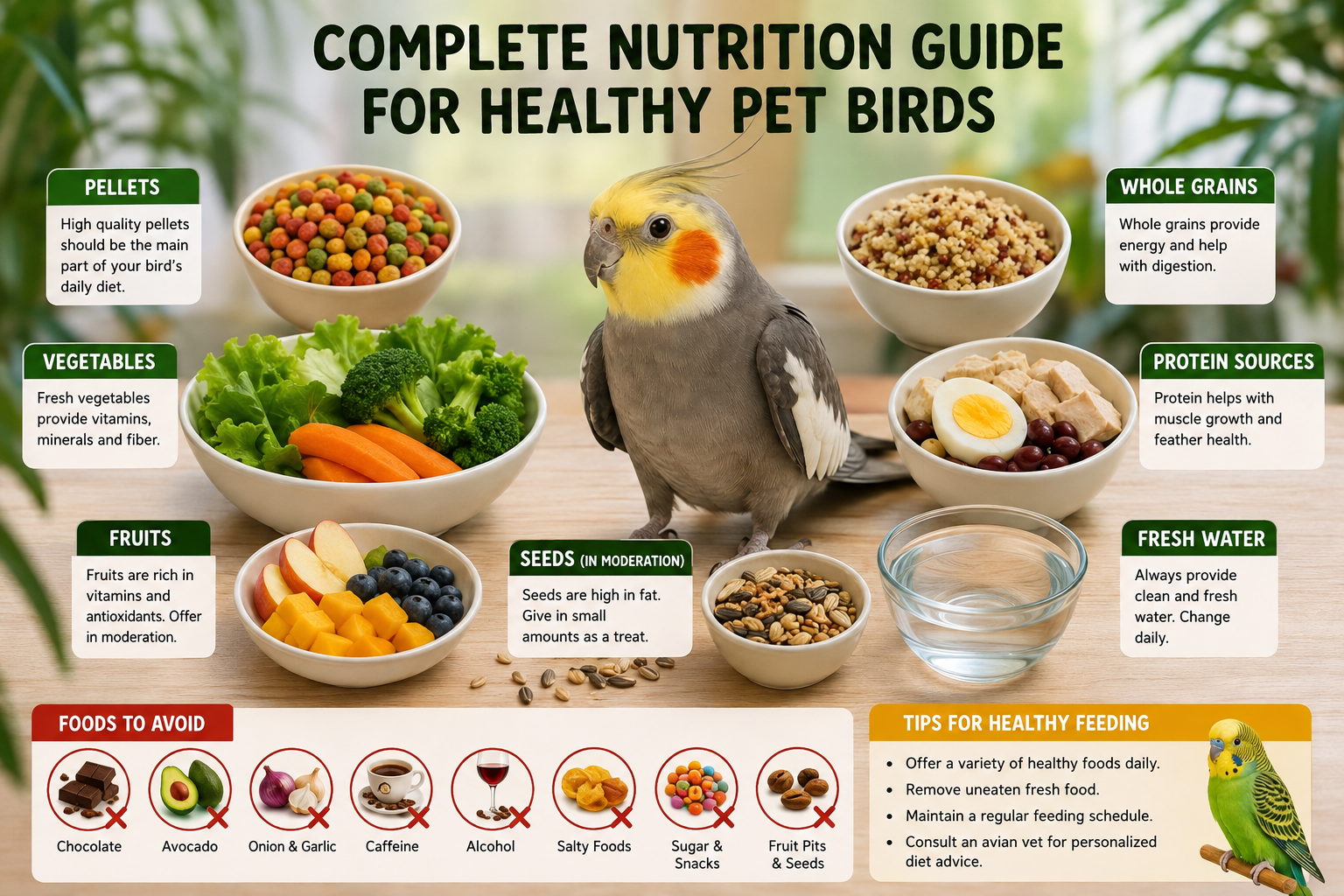
The ideal diet usually includes high quality pellets, fresh vegetables, fruits, healthy grains, small amounts of seeds, and clean drinking water.
The exact amount depends on your bird’s species, age, activity level, and health condition.
High Quality Pellets Should Be the Main Food
Most avian veterinarians recommend high quality pellets as the foundation of a healthy diet. Pellets are specially made to provide balanced nutrition in every bite.
Unlike seed mixes, birds cannot pick only their favorite ingredients from pellets. This helps prevent nutritional deficiencies.
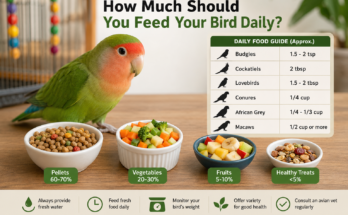
For many pet birds, pellets can make up around 60 to 70 percent of the daily diet.
Always choose pellets made for your bird’s size and species.
Fresh Vegetables Are Essential
Vegetables are one of the healthiest foods you can give your bird. They provide vitamins, minerals, antioxidants, and fiber.
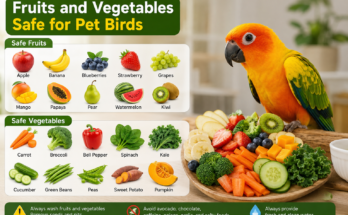
Some excellent vegetables include spinach, kale, broccoli, carrots, bell peppers, peas, green beans, zucchini, cucumber, sweet potato, and pumpkin.
Offer a variety of colorful vegetables every day because different colors contain different nutrients.
Wash vegetables thoroughly before serving and remove any spoiled pieces after a few hours.
Safe Fruits for Pet Birds
Fruits are packed with natural vitamins and antioxidants. Most birds enjoy sweet fruits, but they should only be offered in moderation because they contain natural sugars.
Healthy fruits include apples without seeds, bananas, blueberries, strawberries, grapes, oranges, mangoes, papayas, pears, watermelon, kiwi, and pineapple.
Always remove seeds and pits from fruits because some can be toxic.
Fresh fruit should be served in small portions as part of a balanced diet.
Healthy Seeds in Moderation
Seeds are tasty, but they should not be the only food your bird eats.
Many birds naturally love sunflower seeds and millet because they are high in fat. Eating too many seeds can lead to obesity and nutritional deficiencies.
Seeds should be treated like a healthy snack instead of the main meal.
A small amount each day is usually enough for most pet birds.
Whole Grains for Extra Energy
Whole grains provide healthy carbohydrates and fiber that help keep birds energized.
Good grain choices include brown rice, cooked oats, quinoa, barley, whole wheat pasta, and cooked whole grain bread in small amounts.
Make sure grains are fully cooked and cooled before serving.
Avoid adding salt, butter, or seasonings.
Healthy Protein Sources
Protein helps build muscles, repair tissues, and support feather growth.
Safe protein options include cooked eggs, cooked beans, lentils, chickpeas, plain tofu, and small amounts of cooked chicken without seasoning.
Protein should be given in moderation because too much can create health problems for some bird species.
Fresh Water Every Day
Clean drinking water is just as important as food.
Replace your bird’s water at least once every day. During hot weather, changing it twice daily is even better.
Wash the water bowl regularly to prevent bacteria from growing.
Never allow old food to remain in the water bowl.
Foods That Are Dangerous for Birds
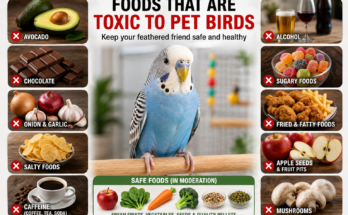
Some human foods are toxic to birds and should never be offered.
Avoid chocolate, avocado, onions, garlic, caffeine, alcohol, fruit pits, apple seeds, salty foods, sugary snacks, fried foods, raw beans, and foods containing xylitol.
These foods can cause serious illness and may even be fatal.
When you are unsure about a food, it is always safer not to feed it until you confirm it is safe.
Vitamins and Minerals Birds Need
Healthy pet birds require many vitamins and minerals for proper body function.
Vitamin A supports healthy skin, feathers, and eyesight.
Vitamin D helps birds absorb calcium.
Calcium keeps bones and beaks strong.
Vitamin E supports the immune system.
Magnesium, phosphorus, and potassium also play important roles in overall health.
A balanced diet usually provides enough nutrients without needing extra supplements unless recommended by a veterinarian.
Feeding Schedule for Pet Birds
Creating a regular feeding schedule helps maintain healthy eating habits.
Offer fresh pellets in the morning along with vegetables.
Later in the day, provide fresh fruit or healthy treats in small amounts.
Remove uneaten fresh food after a few hours to prevent spoilage.
Refill water whenever necessary.
Consistency helps birds feel secure and encourages healthy eating.
How Much Should You Feed Your Bird
Every bird species has different nutritional needs.
Small birds like budgies generally eat smaller portions than larger parrots.
Watch your bird’s body weight, activity level, and eating habits.
If your bird starts gaining too much weight or becomes less active, adjust the food portions carefully.
Your avian veterinarian can recommend the ideal serving size for your specific bird.
Signs of Good Nutrition
A bird receiving proper nutrition usually shows many positive signs.
Bright and colorful feathers
Strong beak and nails
Clear and bright eyes
Healthy body weight
High energy levels
Regular singing and playing
Normal droppings
Strong immune system
These signs indicate that your bird is getting the nutrients it needs.
Signs of Poor Nutrition
An unhealthy diet often leads to noticeable changes.
Dull feathers
Feather plucking
Weight loss or obesity
Weakness
Poor appetite
Slow growth
Beak problems
Frequent illness
If you notice these symptoms, review your bird’s diet and seek advice from an avian veterinarian.
Tips for Introducing New Foods
Some birds refuse new foods at first.
Offer small portions every day.
Mix new foods with familiar favorites.
Try different shapes and sizes.
Hang vegetables inside the cage as enrichment.
Eat healthy foods in front of your bird because many birds enjoy copying their owners.
Be patient because some birds need several weeks before accepting new foods.
Homemade Bird Treat Ideas
Healthy treats can make feeding more enjoyable.
You can offer small fruit salads, chopped vegetables, cooked quinoa, oat balls made without sugar, or tiny pieces of cooked egg.
Treats should only make up a small part of the daily diet.
Too many treats can lead to weight gain.
Common Feeding Mistakes
Many new bird owners accidentally make nutrition mistakes.
Feeding only seeds
Giving too many sugary fruits
Offering processed human food
Leaving spoiled food inside the cage
Not providing enough fresh vegetables
Ignoring clean drinking water
Changing diets too quickly
Avoiding these mistakes can greatly improve your bird’s health.
Creating the Perfect Daily Diet
A healthy daily meal should include quality pellets as the main food, fresh vegetables every day, fruits in moderation, small portions of seeds, occasional healthy protein, whole grains, and unlimited access to fresh water.
Variety is the key to balanced nutrition. Offering different healthy foods throughout the week keeps your bird interested in eating while ensuring it receives a wide range of nutrients.
Conclusion
Providing the right nutrition is one of the best ways to help your bird enjoy a long, healthy, and active life. A balanced diet made up of quality pellets, fresh vegetables, fruits, healthy grains, moderate seeds, and clean water gives your feathered companion everything it needs to thrive. Every bird is unique, so observe its eating habits, maintain a regular feeding routine, and make gradual improvements whenever necessary. By following this complete nutrition guide for healthy pet birds, you can build healthy feeding habits that will benefit your bird for many years while strengthening the bond you share every day.