Keeping your bird healthy all year is one of the most important responsibilities of being a bird owner. Birds are intelligent, active, and sensitive animals that depend on proper care to live long and happy lives. Whether you own a budgie, cockatiel, parrot, lovebird, canary, or finch, providing the right environment, balanced nutrition, and regular care can prevent many health problems.
A healthy bird is energetic, playful, alert, and curious. It sings, chirps, interacts with its owner, and enjoys exploring its surroundings. By following a few simple habits every day, you can ensure your feathered friend stays healthy through every season.
This guide explains how to keep your bird healthy all year with practical tips that every bird owner can follow.
Provide a Balanced Diet
The foundation of bird health is proper nutrition. A poor diet can lead to obesity, vitamin deficiencies, weak feathers, and serious illnesses.
A healthy bird diet should include:
- High quality bird pellets
- Fresh vegetables
- Fresh fruits in moderation
- Healthy seeds as treats
- Clean drinking water
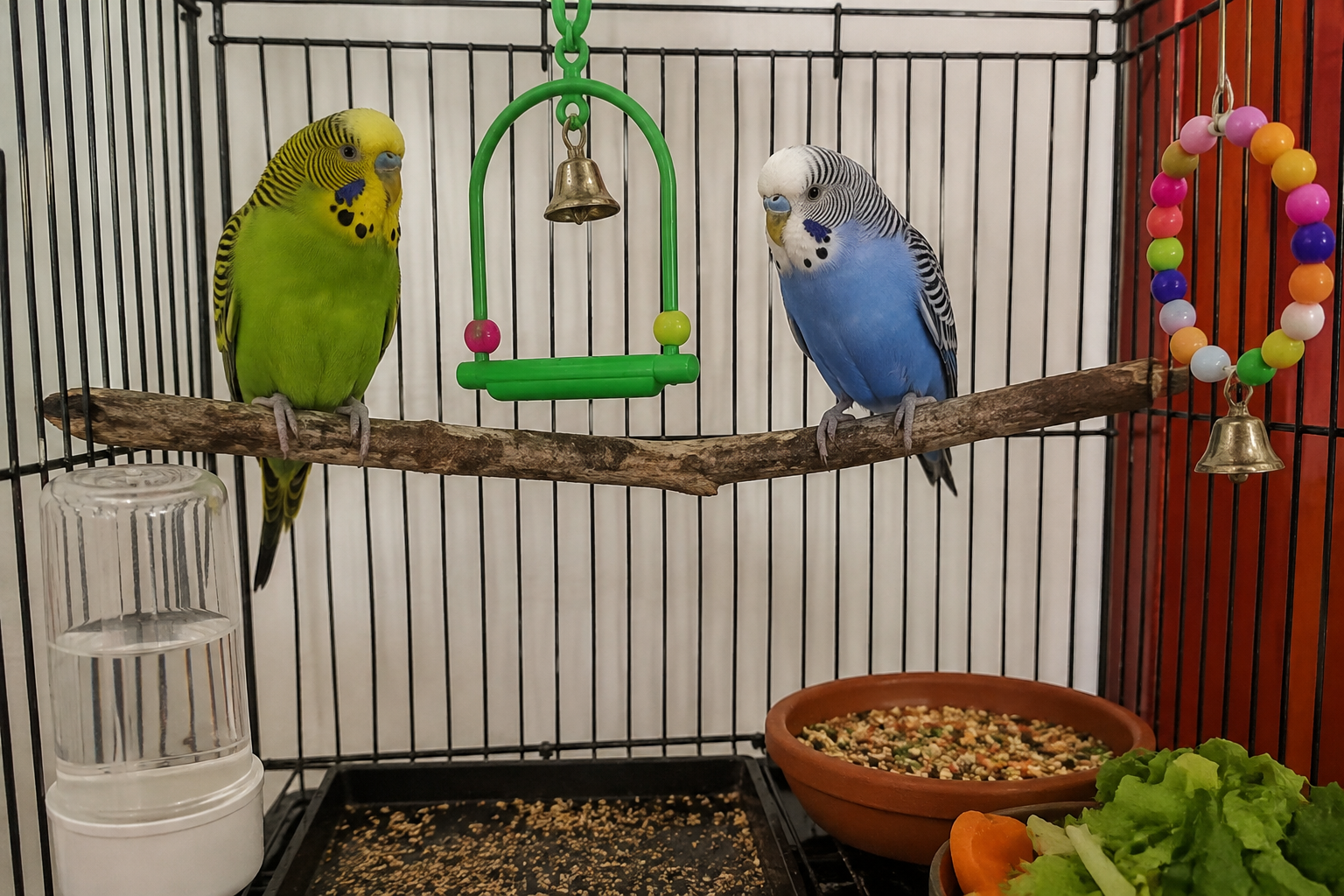
Leafy greens such as spinach, kale, broccoli, and lettuce provide important vitamins. Carrots, peas, bell peppers, and sweet potatoes are also excellent choices.
Safe fruits include apples without seeds, bananas, berries, grapes, mangoes, and papaya. Fruits contain natural sugar, so they should be offered in moderation.
Avoid feeding your bird chocolate, avocado, onions, garlic, caffeine, alcohol, salty snacks, sugary foods, or anything containing artificial sweeteners.
Fresh food should be removed after a few hours to prevent bacteria from growing.
Always Provide Fresh Water
Clean water is just as important as healthy food. Birds drink several times throughout the day, and dirty water can quickly become contaminated with food particles and droppings.
Replace your bird’s drinking water every morning. During hot weather, change it more than once a day if necessary.
Wash the water bowl daily using warm water and mild soap before refilling it.
Hydration helps with digestion, body temperature regulation, and overall health.
Keep the Cage Clean
A clean cage helps prevent infections, parasites, and unpleasant odors.
Daily cleaning tasks include:
- Remove droppings
- Replace cage liner
- Wash food and water dishes
- Remove leftover food
Weekly cleaning should include:
- Wash perches
- Clean toys
- Wipe cage bars
- Disinfect the entire cage using bird safe cleaning products
A clean environment greatly reduces the chance of bacterial and fungal infections.
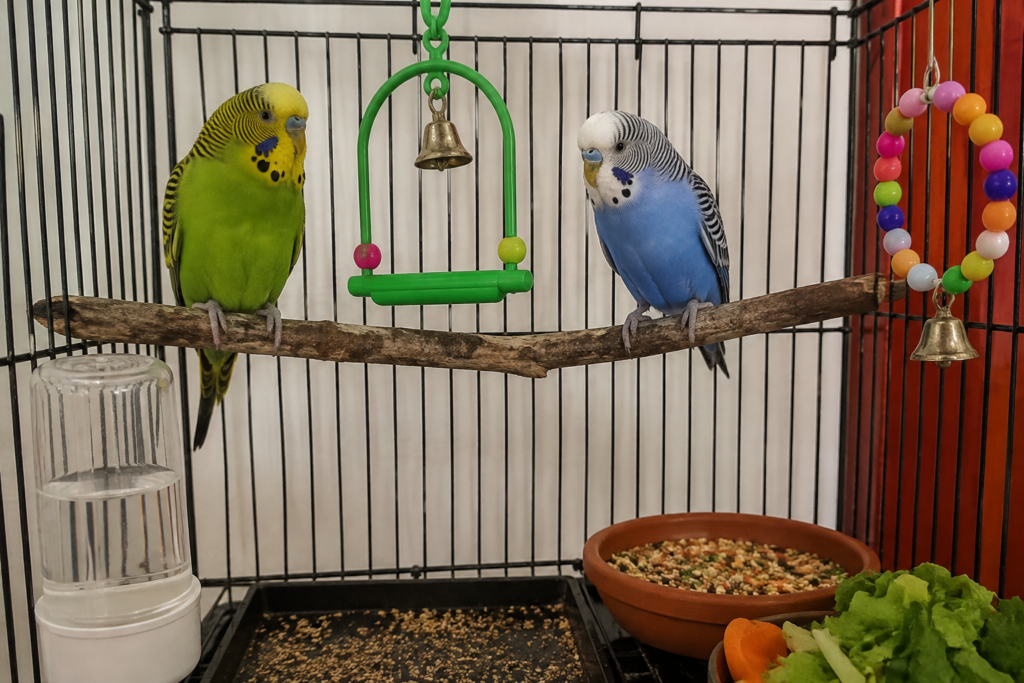
Choose the Right Cage Size
Birds need enough space to move, stretch, climb, and flap their wings comfortably.
A small cage limits movement and may lead to stress, obesity, and muscle weakness.
The cage should be large enough for your bird to spread both wings without touching the bars.
Add different perch sizes to keep your bird’s feet healthy and prevent pressure sores.
Natural wood perches are usually better than plastic ones because they provide better grip and help wear down nails naturally.
Encourage Daily Exercise
Exercise is essential for keeping birds physically fit and mentally active.
If possible, allow your bird supervised time outside the cage every day in a safe room.
Flying is one of the best forms of exercise for birds with unclipped wings.
If free flight is not possible, encourage climbing, hopping, and playing with toys.
Exercise helps:
- Maintain healthy weight
- Improve muscle strength
- Reduce boredom
- Prevent destructive behavior
- Support heart health
Active birds are generally happier and healthier.
Offer Mental Stimulation
Birds are highly intelligent animals that need regular mental stimulation.
Without enough entertainment, birds can become stressed, depressed, or develop feather plucking habits.
Provide a variety of toys such as:
- Puzzle toys
- Bells
- Swings
- Rope toys
- Wooden chew toys
- Foraging toys
Rotate toys every week to keep things interesting.
Talking to your bird, teaching simple tricks, and allowing social interaction also improve mental health.
Maintain Proper Temperature
Birds are sensitive to sudden temperature changes.
Most pet birds are comfortable between 65°F and 80°F (18°C to 27°C).
Avoid placing the cage near:
- Air conditioners
- Heaters
- Open windows
- Drafty doors
- Direct sunlight for long periods
Extreme heat and cold can weaken the immune system and cause serious health problems.
Watch for signs of overheating, including panting, holding wings away from the body, or excessive thirst.
Ensure Proper Sleep
Birds need plenty of sleep to stay healthy.
Most pet birds require 10 to 12 hours of uninterrupted sleep every night.
Place the cage in a quiet area during bedtime.
Many owners cover the cage with a breathable cage cover to block light and reduce disturbances.
Poor sleep may cause:
- Irritability
- Feather problems
- Stress
- Lower immunity
A consistent sleep schedule supports both physical and emotional health.
Give Regular Baths
Bathing keeps feathers clean and healthy.
Different birds enjoy bathing in different ways.
Some like shallow water dishes while others prefer a gentle mist from a spray bottle.
Bathing helps remove dust, dirt, and loose feathers while encouraging healthy preening.
Avoid using soap or shampoo unless specifically recommended by an avian veterinarian.
Allow your bird to dry naturally in a warm room.
Monitor Your Bird’s Weight
Sudden weight changes may indicate illness.
Use a digital gram scale to weigh your bird once each week.
Keep a simple record of its weight.
Unexpected weight loss often appears before obvious signs of sickness.
Early detection allows faster treatment and better recovery.
Schedule Regular Veterinary Checkups
Even healthy looking birds should visit an avian veterinarian for routine examinations.
Birds naturally hide illness because showing weakness makes them vulnerable in the wild.
Regular health checks can identify problems before symptoms become serious.
Your veterinarian may recommend:
- Physical examination
- Nail trimming
- Beak evaluation
- Fecal testing
- Blood tests if necessary
Annual checkups are an important part of keeping your bird healthy all year.
Watch for Signs of Illness
Knowing the warning signs of illness can save your bird’s life.
Common symptoms include:
- Loss of appetite
- Sleeping more than usual
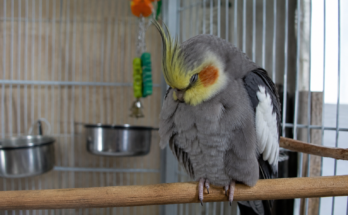
- Fluffed feathers for long periods
- Difficulty breathing
- Tail bobbing
- Weight loss
- Diarrhea
- Vomiting
- Discharge from eyes or nose
- Sitting quietly without activity
If your bird shows any of these signs, contact an avian veterinarian immediately.
Birds can become seriously ill within a short time.
Prevent Household Dangers
Many everyday household items can be dangerous for birds.
Keep your bird away from:
- Non stick cookware fumes
- Cigarette smoke
- Air fresheners
- Candles
- Cleaning chemicals
- Aerosol sprays
- Toxic houseplants
- Open water containers
- Ceiling fans
- Open windows
Creating a bird safe home reduces the risk of accidents and poisoning.
Trim Nails When Necessary
Overgrown nails can make it difficult for birds to perch comfortably.
Natural wood perches help wear nails down naturally.
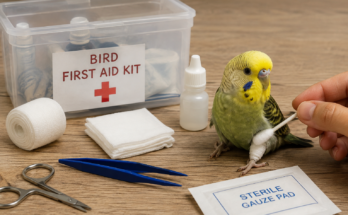
If trimming is needed, ask an experienced avian veterinarian or bird groomer to perform the procedure.
Improper nail trimming may cause injury or bleeding.
Support Feather Health
Healthy feathers protect birds from weather and help them fly efficiently.
Good feather condition depends on:
- Balanced nutrition
- Regular bathing
- Low stress
- Proper sleep
- Clean living conditions
Molting is a natural process where birds replace old feathers.
During molting, your bird may need extra protein and nutrients to support new feather growth.
Reduce Stress
Stress weakens a bird’s immune system and may lead to behavioral problems.
Keep a consistent daily routine.
Avoid sudden loud noises, rough handling, or frequent cage relocation.
Allow your bird time to adjust to new environments and unfamiliar people.
Positive interaction and gentle handling help build trust and reduce anxiety.
Spend Quality Time Together
Birds are social animals that enjoy companionship.
Spend time talking, training, and playing with your bird every day.
Positive interaction strengthens your relationship while improving your bird’s emotional health.
Even short daily sessions provide important mental stimulation.
Seasonal Bird Care Tips
Different seasons require slight adjustments to your bird’s routine.
Spring
Increase opportunities for exercise and monitor feather growth during molting.
Summer
Provide plenty of fresh water and keep the cage away from direct sunlight to prevent overheating.
Autumn
Maintain a balanced diet as temperatures begin to change and continue regular cleaning.
Winter
Keep your bird warm by avoiding cold drafts and maintaining a comfortable indoor temperature.
Seasonal care helps your bird stay comfortable throughout the year.
Conclusion
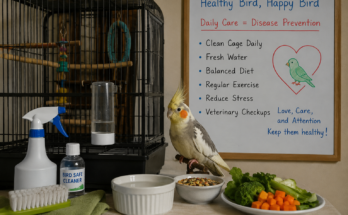
Learning how to keep your bird healthy all year is about building good daily habits. A nutritious diet, clean cage, fresh water, regular exercise, mental stimulation, and routine veterinary care all work together to support your bird’s long term health.
Pay attention to changes in behavior, appetite, weight, and activity levels because birds often hide signs of illness until they become serious. By providing consistent care, a safe environment, and plenty of love, you can help your feathered companion enjoy a long, active, and happy life for many years.