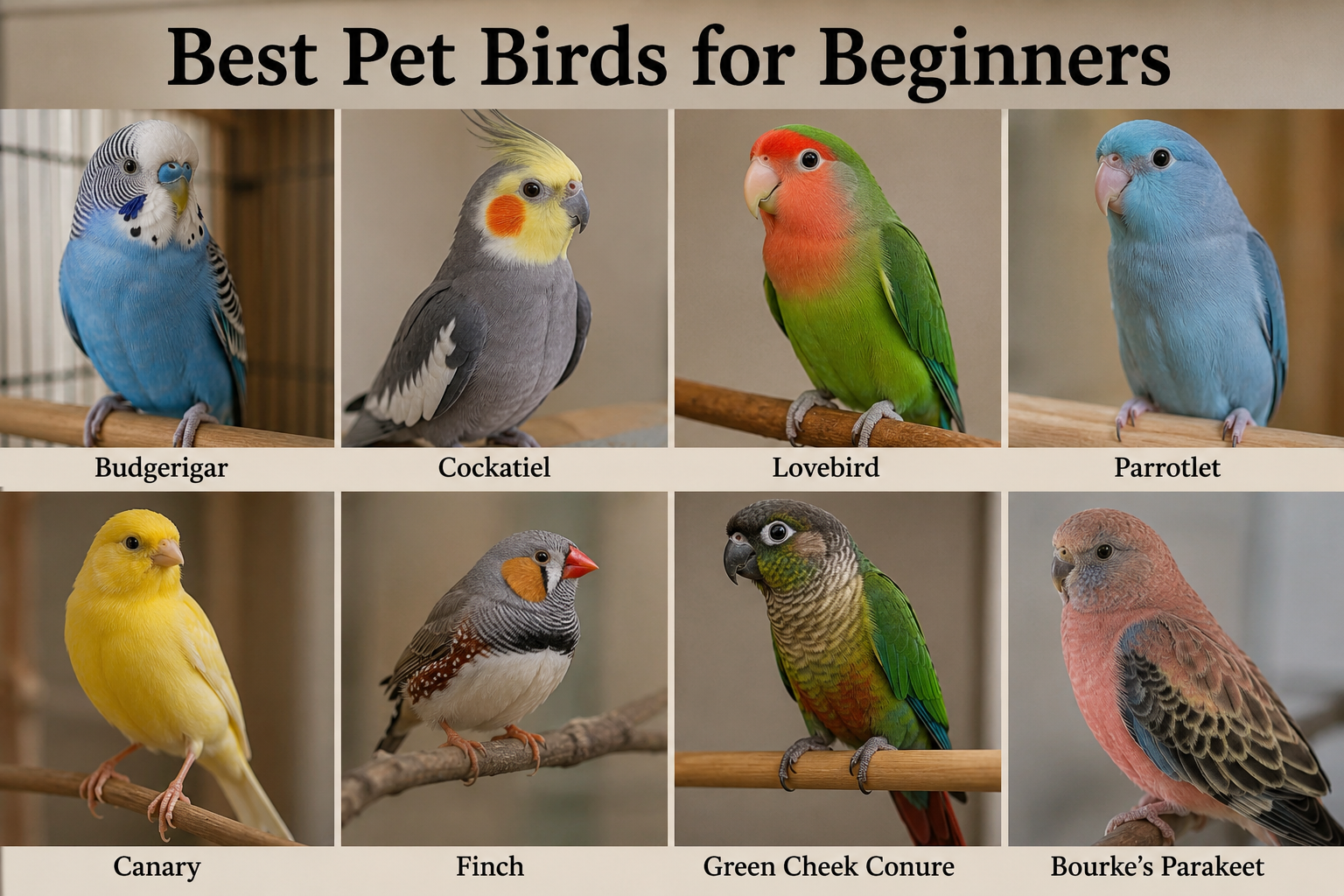
If you are thinking about getting your first bird, choosing the right species is one of the most important decisions you can make. The best pet birds for beginners are friendly, easy to care for, and able to adapt well to life with new bird owners. While every bird has its own personality, some species are naturally more suitable for beginners because they are less demanding and easier to train.
Birds are intelligent, social, and entertaining pets. They can develop strong bonds with their owners and bring years of companionship. However, they also require daily care, attention, and a proper diet to stay healthy and happy. Before bringing any bird home, it is important to understand its needs and make sure you can provide a safe and loving environment.
In this guide, you will learn about the best pet birds for beginners, their personalities, care requirements, and tips for choosing the perfect feathered companion.
Why Beginners Should Choose the Right Bird
Not every bird is suitable for someone with no experience. Some birds need constant attention, advanced training, or large living spaces. Choosing a beginner friendly bird makes your first experience more enjoyable and helps both you and your pet adjust more easily.
A good beginner bird should have these qualities.
Easy to care for
Friendly personality
Affordable maintenance
Moderate noise level
Easy to train
Good health when properly cared for
Now let’s explore the best pet birds for beginners.
Budgerigar
The Budgerigar, often called the Budgie, is one of the most popular beginner birds in the world.
Budgies are small, colorful, and incredibly friendly. They enjoy interacting with people and can even learn to mimic words and sounds. With patience and daily interaction, many Budgies become very tame.
They require a spacious cage, fresh food, clean water, and daily exercise outside the cage. Their diet should include quality pellets, fresh vegetables, fruits, and occasional seeds.
Pros
Very affordable
Easy to care for
Can learn to talk
Friendly and playful
Perfect for apartments
Cons
Needs daily social interaction
Can become bored without toys
Budgies usually live between 7 and 15 years with proper care.
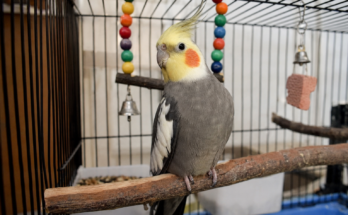
Cockatiel
Cockatiels are another excellent choice for first time bird owners.
Known for their beautiful crest and gentle personality, Cockatiels enjoy spending time with their owners. They love being scratched around the head and often whistle cheerful tunes.
Unlike larger parrots, Cockatiels are easier to manage and generally have calm personalities.
Their diet should include pellets, vegetables, leafy greens, and occasional seeds.
Pros
Very affectionate
Easy to tame
Whistles beautifully
Medium noise level
Long lifespan
Cons
Produces feather dust
Needs daily attention
Cockatiels typically live between 15 and 25 years.
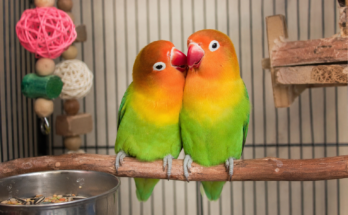
Lovebirds
Lovebirds are small parrots full of energy and personality.
Despite their name, they do not always need another Lovebird if they receive enough attention from their owner. They are intelligent and enjoy climbing, exploring, and playing with toys.
Lovebirds require mental stimulation and regular interaction to prevent boredom.
Pros
Beautiful colors
Playful personality
Intelligent
Active and entertaining
Cons
Can become territorial
Needs regular training
Lovebirds usually live between 10 and 15 years.
Parrotlet
Parrotlets may be tiny, but they have the confidence of much larger parrots.
These birds are curious, fearless, and enjoy interacting with their owners. Because of their small size, they are suitable for people with limited living space.
Parrotlets become very affectionate when handled regularly from a young age.
Pros
Small size
Very intelligent
Strong bond with owners
Quiet compared to larger parrots
Cons
Can become aggressive without training
Needs daily handling
Most Parrotlets live around 15 to 20 years.
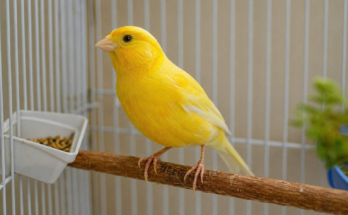
Canary
If you prefer watching birds rather than handling them frequently, a Canary is an excellent beginner choice.
Canaries are famous for their beautiful singing, especially male Canaries. They are generally independent and do not require constant physical interaction.
They enjoy spacious cages with plenty of room to fly.
Pros
Beautiful singing
Low maintenance
Suitable for busy owners
Less demanding
Cons
Not ideal for cuddling
Does not enjoy frequent handling
Canaries usually live between 10 and 15 years.
Finch
Finches are among the easiest birds to care for.
They are active, cheerful, and entertaining to watch. Finches prefer living with other Finches rather than interacting closely with humans.
They are perfect for people who enjoy observing bird behavior without needing constant physical interaction.
Pros
Very easy care
Affordable
Active and social
Minimal handling required
Cons
Not easily tamed
Prefer living in groups
Most Finches live around 5 to 10 years.
Green Cheek Conure
For beginners willing to spend extra time with their bird, the Green Cheek Conure is a fantastic option.
These birds are affectionate, playful, and intelligent. They enjoy learning tricks and spending time with family members.
Compared to many other Conures, they are relatively quieter.
Pros
Very loving
Smart and trainable
Funny personality
Strong family bond
Cons
Needs daily attention
Can become noisy during excitement
Green Cheek Conures often live between 20 and 30 years.
Bourke’s Parakeet
Bourke’s Parakeets are calm birds with gentle personalities.
Unlike many parrots, they are quiet and peaceful, making them suitable for apartment living.
They are active during sunrise and sunset and enjoy flying around safely outside their cage.
Pros
Quiet nature
Beautiful colors
Easy temperament
Suitable for beginners
Cons
Less playful than Budgies
Needs regular flying time
Their average lifespan is around 10 to 15 years.
Choosing the Right Bird for Your Lifestyle
Every bird has different care requirements. Before choosing your first bird, ask yourself a few important questions.
How much time can you spend with your bird each day?
Do you live in an apartment where noise may be an issue?
Can you afford regular veterinary care?
Do you want a bird that enjoys handling or one that is mainly for observation?
Answering these questions honestly will help you choose the best bird for your lifestyle.
What Every Beginner Bird Needs
Regardless of the species you choose, all pet birds need proper daily care.
A spacious cage allows comfortable movement and exercise.
Fresh water should always be available.
A balanced diet supports long term health.
Safe bird toys prevent boredom and encourage mental stimulation.
Daily interaction helps build trust.
Routine cleaning keeps the cage hygienic.
Regular visits to an avian veterinarian help detect health problems early.
Providing these basic needs will help your bird live a long and healthy life.
Beginner Mistakes to Avoid
Many first time bird owners unknowingly make mistakes that affect their bird’s health.
Buying a cage that is too small limits movement and exercise.
Feeding only seeds can lead to nutritional deficiencies.
Ignoring social interaction may cause loneliness and stress.
Using scented candles, air fresheners, or nonstick cookware around birds can expose them to harmful fumes.
Skipping regular cleaning increases the risk of infections.
Avoiding these mistakes will make bird ownership much more rewarding.
How to Bond with Your New Bird
Building trust takes time and patience.
Speak softly around your bird every day.
Offer healthy treats by hand.
Allow your bird to come to you instead of forcing interaction.
Spend at least thirty minutes daily talking or playing together.
Reward positive behavior with praise and treats.
Most birds become more confident as they begin trusting their owner.
Feeding Beginner Pet Birds
Nutrition plays a major role in keeping birds healthy.
Most beginner birds benefit from a diet consisting of high quality pellets, fresh vegetables, leafy greens, fruits, and limited seeds.
Safe vegetables include carrots, broccoli, spinach, peas, and bell peppers.
Safe fruits include apples without seeds, bananas, blueberries, strawberries, and grapes in moderation.
Fresh water should be changed every day.
Avoid feeding chocolate, avocado, onions, garlic, caffeine, alcohol, fruit pits, and salty foods because they are toxic to birds.
Are Beginner Birds Good for Families?
Yes, many beginner birds fit well into family life.
Budgies and Cockatiels are especially popular with families because of their gentle personalities and playful nature.
Children should always be supervised while handling birds to prevent accidental injuries.
Teaching children to respect a bird’s space helps create a strong relationship between the pet and every family member.
Final Thoughts
Choosing the best pet birds for beginners can make your first bird ownership experience enjoyable and rewarding. Birds like Budgies, Cockatiels, Lovebirds, Canaries, Finches, Parrotlets, Green Cheek Conures, and Bourke’s Parakeets all have unique personalities that suit different lifestyles.
Before bringing a bird home, research its needs carefully and prepare everything in advance. A clean cage, healthy diet, regular exercise, and daily interaction will help your bird thrive for many years.
Remember that owning a bird is a long term commitment. With patience, proper care, and plenty of love, your feathered companion will become a cherished member of your family and provide endless joy throughout its life.