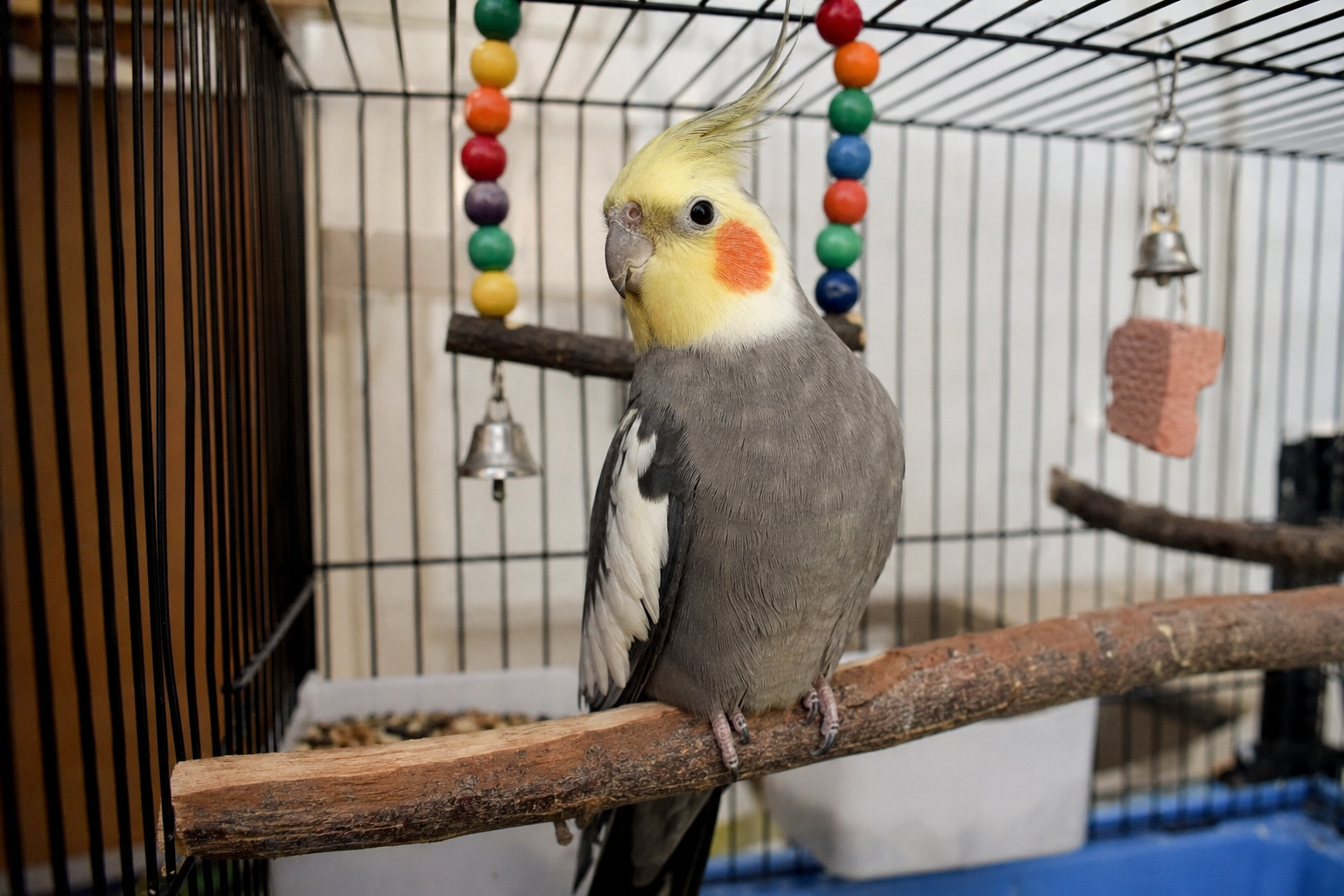
Cockatiels are one of the most loved pet birds in the world. They are friendly, intelligent, and easy to bond with. Their playful nature and gentle personality make them a great choice for both beginners and experienced bird owners. If you are planning to bring one home or already have one, this Cockatiel Care Guide will help you understand everything you need to know to keep your feathered friend healthy and happy.
Taking care of a cockatiel is not difficult, but it does require daily attention, a proper diet, regular cleaning, and plenty of love. When given the right care, a cockatiel can live for 15 to 25 years, making it a long term companion.
Why Cockatiels Make Great Pets
Cockatiels are known for their calm and affectionate behavior. They enjoy spending time with their owners and can even learn to whistle songs and mimic simple sounds. Unlike some larger parrots, they are quieter and easier to manage.
These birds are also very social. They enjoy interaction and can become depressed if ignored for long periods. Spending quality time with your cockatiel every day helps build trust and strengthens your bond.
Choosing a Healthy Cockatiel
The first step in proper cockatiel care is choosing a healthy bird. Whether you buy from a breeder or adopt from a rescue center, always look for signs of good health.
A healthy cockatiel should have bright eyes, smooth feathers, clean nostrils, and active behavior. The bird should be alert, curious, and responsive to its surroundings.
Avoid birds that have dirty feathers, watery eyes, breathing problems, or appear sleepy most of the time. These could be signs of illness.
The Best Cage for a Cockatiel
A spacious cage is one of the most important parts of a good Cockatiel Care Guide. Cockatiels need enough room to stretch their wings, climb, and play.
Choose a cage that is at least 24 inches wide, 24 inches deep, and 30 inches tall. Bigger is always better because it gives your bird more freedom to move around.
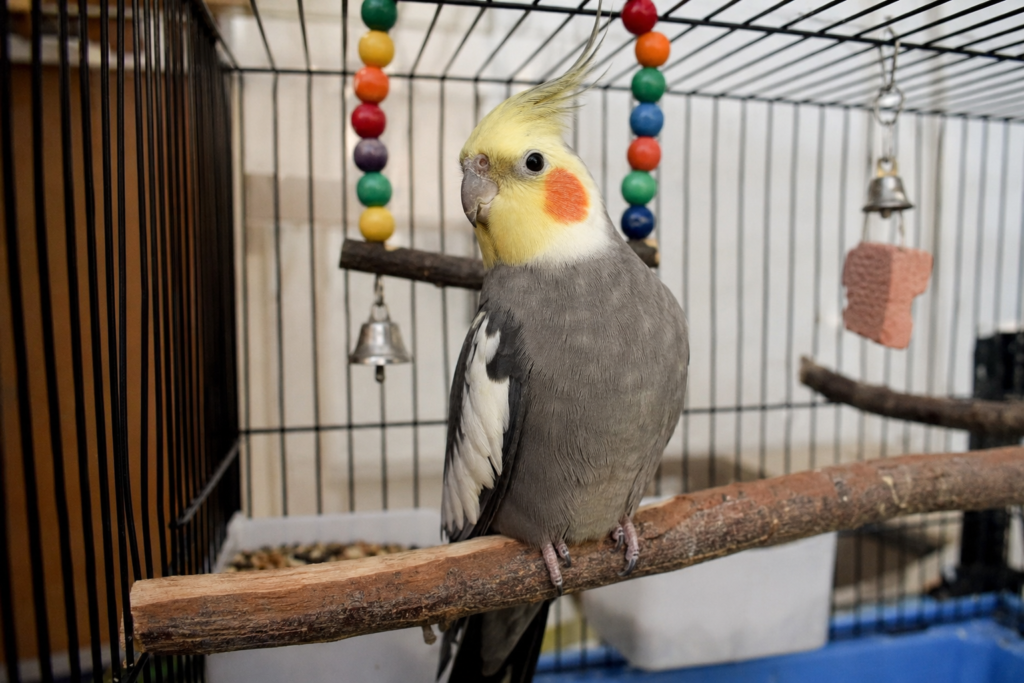
Place natural wooden perches of different sizes inside the cage. This helps keep your bird’s feet healthy. Include food bowls, water dishes, toys, and a swing to provide entertainment.
Keep the cage in a bright room where the family spends time. Avoid placing it near direct sunlight, air conditioners, kitchens, or windows with cold drafts.
Feeding Your Cockatiel
A balanced diet is the key to keeping your cockatiel healthy. Many people believe seeds are enough, but seeds alone do not provide complete nutrition.
A healthy cockatiel diet should include high quality pellets as the main food. Pellets contain balanced vitamins and minerals that birds need every day.
Fresh vegetables should also be offered daily. Some safe vegetables include carrots, spinach, broccoli, peas, sweet corn, and bell peppers.
Fresh fruits are excellent treats in small amounts. Apples without seeds, bananas, blueberries, strawberries, grapes, and mangoes are popular choices.
You can also offer cooked brown rice, quinoa, and small amounts of cooked eggs as occasional protein sources.
Always provide fresh drinking water and replace it every day.
Foods to Avoid
Some foods are dangerous for cockatiels and should never be given.
Avoid chocolate, avocado, onions, garlic, caffeine, alcohol, apple seeds, fruit pits, salty snacks, sugary foods, and anything containing artificial sweeteners.
These foods can cause serious health problems and may even be fatal.
Daily Exercise
Exercise is essential for your bird’s physical and mental health.
Allow your cockatiel to spend at least one or two hours outside the cage every day in a safe room. Close doors and windows, turn off ceiling fans, and remove dangerous objects before letting your bird out.
Flying, climbing, and exploring help maintain healthy muscles and prevent obesity.
Interactive playtime also keeps your bird mentally stimulated.
Toys and Mental Stimulation
Cockatiels are intelligent birds that enjoy solving simple problems and exploring new objects.
Provide a variety of toys such as bells, ropes, wooden chew toys, ladders, paper shredding toys, and swings.
Rotate toys every few weeks to prevent boredom.
Mental stimulation reduces stress and discourages unwanted behaviors like feather plucking or excessive screaming.
Grooming Your Cockatiel
Good grooming is an important part of every Cockatiel Care Guide.
Cockatiels naturally keep their feathers clean, but they also enjoy bathing. You can offer a shallow dish of water or gently mist your bird with clean water once or twice a week.
Trim nails only when necessary. If you are unsure how to do it safely, ask an avian veterinarian for help.
Wing trimming is a personal choice. Many owners prefer allowing their birds to fly safely indoors because flying provides valuable exercise.
Keeping the Cage Clean
A clean environment helps prevent diseases and keeps your bird comfortable.
Replace cage liner every day.
Wash food and water bowls daily with warm water.
Remove leftover fruits and vegetables after a few hours to prevent bacterial growth.
Clean perches and toys every week.
Deep clean the entire cage once each week using bird safe cleaning products.
A clean cage also reduces unpleasant odors and keeps your home fresh.
Social Interaction
Cockatiels love attention and enjoy spending time with people.
Talk to your bird throughout the day using a calm and friendly voice.
Offer treats by hand to build trust.
Teach simple commands like stepping onto your finger.
Many cockatiels enjoy sitting on their owner’s shoulder while supervised.
If you work long hours, consider leaving safe bird sounds or soft music playing to reduce loneliness.
Training Your Cockatiel
Training is easier than many people think.
Start with short sessions lasting five to ten minutes.
Use positive reinforcement by rewarding good behavior with praise or healthy treats.
Teach simple behaviors like stepping up, returning to the cage, or coming when called.
Some cockatiels can also learn to whistle songs and imitate household sounds.
Patience is the key to successful training.
Understanding Cockatiel Behavior
Cockatiels communicate through body language.
A raised crest usually shows curiosity or excitement.
A relaxed crest often means your bird feels comfortable.
Hissing may indicate fear or discomfort.
Grinding their beak before bedtime usually means they are relaxed and content.
Learning these signals helps you understand your bird’s emotions and needs.
Signs of a Healthy Cockatiel
A healthy cockatiel is active, alert, and interested in its surroundings.
Healthy birds have bright eyes, smooth feathers, clean nostrils, and regular droppings.
They eat well, enjoy playing, and interact with family members.
Regular observation allows you to notice changes before they become serious.
Common Health Problems
Even with excellent care, cockatiels can sometimes become sick.
Watch for symptoms such as loss of appetite, weight loss, fluffed feathers, breathing difficulties, sneezing, watery eyes, unusual droppings, or sitting quietly for long periods.
Birds naturally hide illness, so early detection is extremely important.
If you notice any unusual behavior, contact an avian veterinarian immediately.
Sleep Requirements
Cockatiels need around ten to twelve hours of uninterrupted sleep every night.
A quiet and dark environment helps them rest properly.
Many owners cover the cage with a breathable cloth at bedtime to reduce distractions.
Lack of sleep can cause stress, aggression, and weakened immunity.
Creating a Safe Environment
Bird safety should always come first.
Keep your cockatiel away from toxic plants, scented candles, cigarette smoke, nonstick cookware fumes, cleaning chemicals, and open water containers.
Never allow your bird near other pets without close supervision.
Always check doors and windows before allowing your bird to fly freely indoors.
Building a Strong Bond
A strong relationship develops through consistency and kindness.
Spend time talking, playing, and training every day.
Respect your bird’s personality and never force interaction if it feels nervous.
Trust grows slowly, but once a cockatiel feels safe, it often becomes a loyal and affectionate companion.
Conclusion
This Cockatiel Care Guide covers the essential steps every owner should follow to raise a happy and healthy bird. Providing a spacious cage, balanced nutrition, daily exercise, regular grooming, mental stimulation, and plenty of social interaction will help your cockatiel enjoy a long and fulfilling life.
Cockatiels reward good care with affection, playful behavior, and wonderful companionship. By following this Cockatiel Care Guide, you can create a safe, loving home where your feathered friend will thrive for many years.