Introduction
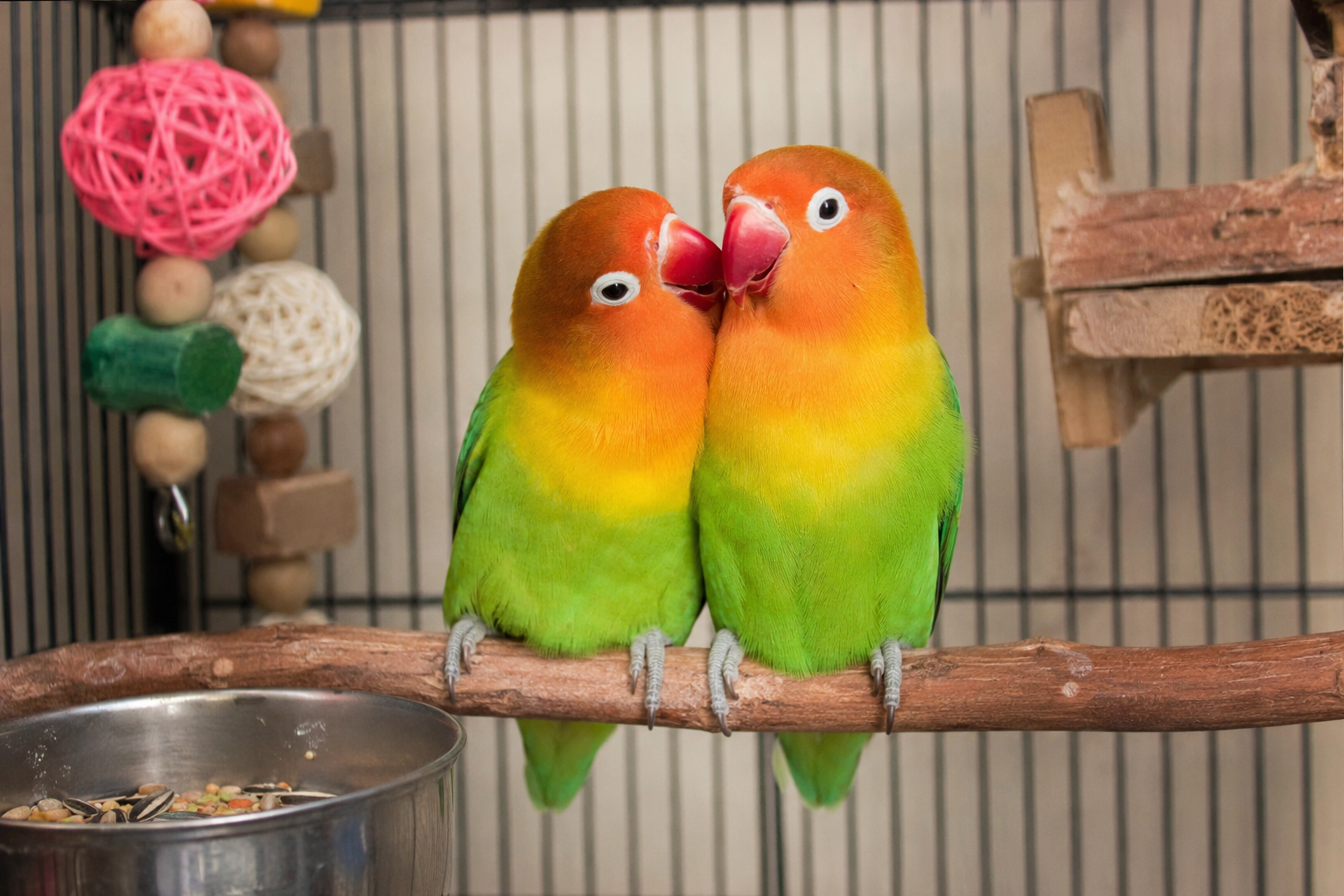
Lovebirds are one of the most popular pet birds in the world. They are small, colorful, playful, and full of personality. Their curious nature and strong bond with their owners make them wonderful companions. If you are planning to keep a lovebird or you already have one, learning proper care is the key to keeping your feathered friend healthy and happy.
This Lovebird Care Guide will help you understand everything you need to know about feeding, housing, grooming, health, training, and daily care. Whether you are a beginner or an experienced bird owner, these tips will help your lovebird enjoy a long and healthy life.
Why Lovebirds Make Great Pets
Lovebirds are intelligent and social parrots that enjoy spending time with people. They can develop strong relationships with their owners when handled gently from a young age. Unlike larger parrots, they require less space but still need daily attention and mental stimulation.
These birds are known for their bright feathers, cheerful sounds, and playful behavior. With proper care, a lovebird can live between 10 and 15 years, and some even live longer.
Choosing a Healthy Lovebird
The first step in caring for a lovebird is choosing a healthy bird. Buy your bird from a trusted breeder or a reputable pet store.
A healthy lovebird should have clean and bright eyes, smooth feathers, active behavior, and a clean beak. It should breathe normally without making unusual sounds. Avoid birds that look sleepy, have dirty feathers around the vent, or show signs of weakness.
A healthy start gives your bird the best chance of living a long and happy life.
Setting Up the Perfect Cage
A comfortable cage is one of the most important parts of a good Lovebird Care Guide.
Choose a cage that is large enough for your lovebird to stretch its wings, climb, and play. Even though lovebirds are small, they are very active birds.
Place natural wooden perches inside the cage instead of only plastic ones. Add food bowls, water dishes, swings, and a few safe toys to keep your bird entertained.
Position the cage in a bright room where the family spends time, but avoid placing it in direct sunlight or near air conditioners, fans, or kitchen fumes.
Clean the cage regularly to prevent bacteria and keep your bird healthy.
Feeding Your Lovebird
A balanced diet is essential for a healthy lovebird.
Many people think seeds alone are enough, but this is not true. Lovebirds need a variety of nutritious foods every day.
A healthy diet should include high quality pellets, fresh vegetables, fruits, and a small amount of seeds.
Some excellent vegetables include carrots, spinach, broccoli, peas, and bell peppers.
Safe fruits include apples without seeds, bananas, grapes, blueberries, mangoes, and papayas.
Always wash fruits and vegetables before serving them.
Fresh clean water should always be available and changed every day.
Foods to Avoid
Certain foods can be dangerous or even deadly for lovebirds.
Never feed your bird chocolate, avocado, caffeine, alcohol, onions, garlic, apple seeds, fruit pits, salty snacks, sugary foods, or processed human food.
These foods can cause serious health problems.
Always research before introducing new foods into your lovebird’s diet.
Daily Exercise and Playtime
Lovebirds are energetic birds that need daily exercise.
Allow your bird to spend supervised time outside the cage every day in a safe room with closed windows and doors.
Flying helps strengthen muscles and improves overall health.
Provide climbing toys, ladders, ropes, and swings to encourage physical activity.
Interactive play also prevents boredom and destructive behavior.
Social Interaction
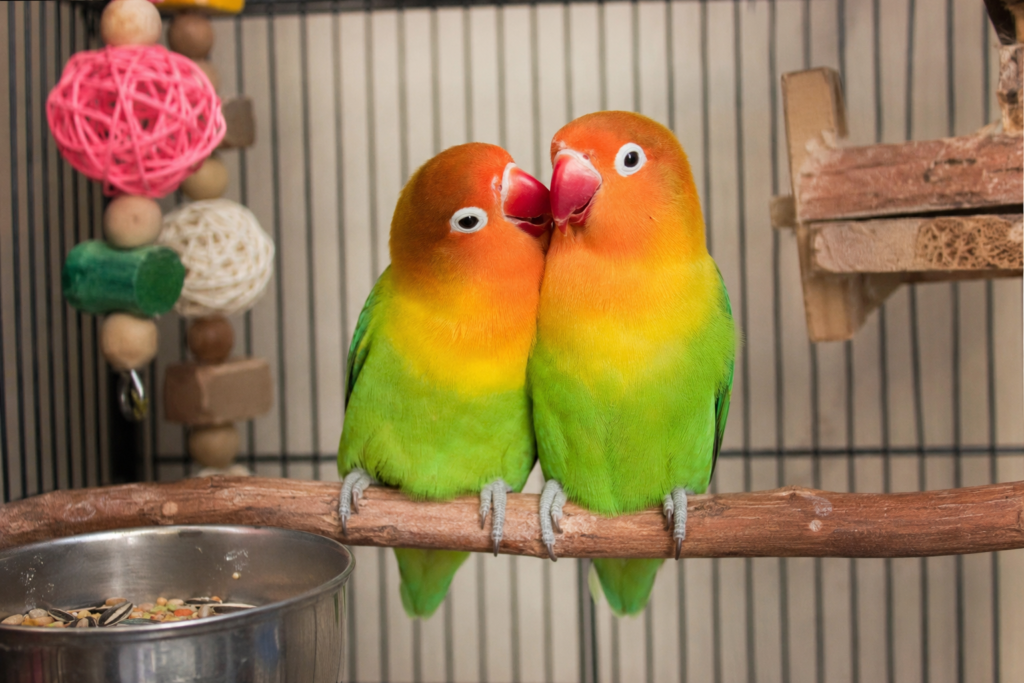
Lovebirds are highly social birds.
If you keep only one lovebird, spend quality time with it every day. Talk gently, allow it to sit on your hand, and include it in your daily activities.
Without enough attention, a single lovebird may become lonely and stressed.
If you cannot spend much time with your bird, consider keeping a pair, provided you have enough space and understand that paired birds may bond more with each other than with humans.
Training Your Lovebird
Lovebirds are intelligent and can learn simple tricks with patience.
Start by teaching your bird to step onto your finger.
Use positive reinforcement by rewarding good behavior with praise or a favorite treat.
Keep training sessions short, around five to ten minutes.
Never punish or yell at your bird. Gentle handling builds trust and creates a stronger relationship.
Grooming and Hygiene
Proper grooming keeps your lovebird comfortable and healthy.
Lovebirds enjoy bathing. Offer a shallow bowl of clean water or lightly mist your bird with water a few times each week.
Bathing helps keep feathers clean and healthy.
Trim nails only when necessary and preferably with the help of an experienced bird owner or avian veterinarian.
Do not trim wings unless recommended for safety, and always have it done correctly.
Keeping Your Lovebird Mentally Stimulated
Mental stimulation is just as important as physical exercise.
Lovebirds enjoy solving simple puzzles, chewing wooden toys, and exploring new objects.
Rotate toys every few weeks to keep your bird interested.
Provide safe materials that encourage chewing since this is a natural behavior.
A mentally active bird is usually happier and less likely to develop behavioral problems.
Understanding Lovebird Behavior
Learning your bird’s behavior helps you recognize its needs.
A happy lovebird often chirps, sings, plays with toys, stretches its wings, and actively explores its surroundings.
Signs of stress may include feather plucking, loss of appetite, unusual aggression, hiding, or sitting quietly for long periods.
Pay attention to changes in behavior because birds often hide illness until they become very sick.
Common Health Problems
Even with proper care, lovebirds can sometimes become ill.
Common health problems include respiratory infections, feather mites, nutritional deficiencies, obesity, egg binding in females, and digestive disorders.
Watch for warning signs such as fluffed feathers, difficulty breathing, weight loss, watery droppings, poor appetite, or sleeping much more than usual.
If you notice any of these symptoms, contact an avian veterinarian immediately.
Early treatment can save your bird’s life.
Cleaning and Maintenance
A clean environment reduces the risk of disease.
Wash food and water bowls every day.
Replace cage liners daily.
Clean perches and toys every week.
Perform a complete cage cleaning at least once a week using bird safe cleaning products.
Good hygiene helps prevent bacterial and fungal infections.
Creating a Safe Home
Your home should be safe for your lovebird.
Keep your bird away from toxic plants, candles, cigarette smoke, cooking fumes, perfumes, and aerosol sprays.
Close windows and doors before allowing your bird to fly.
Cover mirrors and large windows if your bird is still learning to fly safely indoors.
Always supervise out of cage time.
Sleep Requirements
Lovebirds need plenty of rest.
Most lovebirds require about ten to twelve hours of uninterrupted sleep every night.
Place the cage in a quiet area during bedtime or use a breathable cage cover if necessary.
Proper sleep supports good health, mood, and immune function.
Building Trust With Your Lovebird
Trust takes time.
Move slowly around your bird and speak softly.
Offer treats from your hand without forcing interaction.
Allow your lovebird to approach you at its own pace.
Regular positive experiences help create a strong bond that lasts for years.
Tips for First Time Lovebird Owners
If you are new to keeping lovebirds, remember that patience is essential.
Learn your bird’s personality and respect its comfort level.
Avoid sudden changes in diet or environment.
Schedule regular health checkups with an avian veterinarian.
Spend time with your bird every day to strengthen your relationship.
Consistency is the secret to successful bird ownership.
Conclusion
This Lovebird Care Guide covers the essential steps every owner should follow to raise a healthy and happy bird. Lovebirds are intelligent, affectionate, and entertaining companions when they receive proper care, balanced nutrition, regular exercise, and daily social interaction.
By providing a spacious cage, nutritious food, clean water, safe toys, mental stimulation, and regular health care, you can help your lovebird enjoy a long and fulfilling life. Caring for a lovebird requires dedication, but the love and companionship these beautiful birds offer make every effort worthwhile.